☀️ SUN DURING THE DAY:
• All Day more or less for all the crags, the boulders are in the shade from the afternoon.
📱 PHONE SIGNAL:
• NO
🧭 EXPOSURE:
• S-W: Every sector
• N: La Fornace, Paretone
🌧️CLIMBABLE IN THE RAIN:
• NO
🧱ROCK TYPE:
• The rock here is a very good quality Limestone.
📆 BEST PERIOD:
• Middle seasons
👪 FAMILY FRIENDLY:
YES: Boschetto, Le Balzette,
NO: Anywhere else
🇬🇧
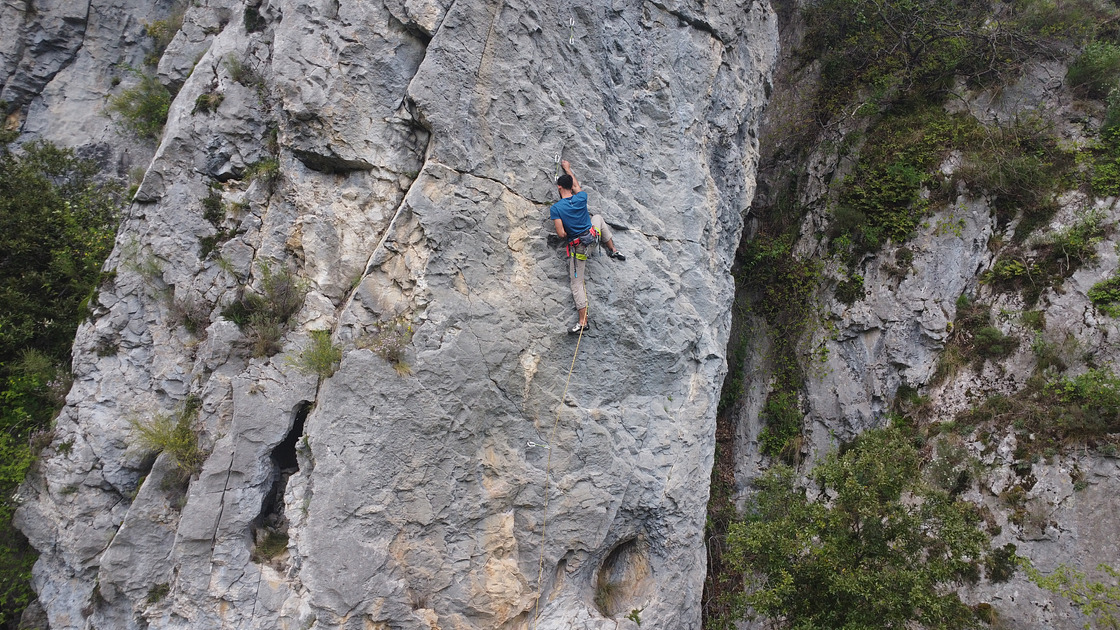
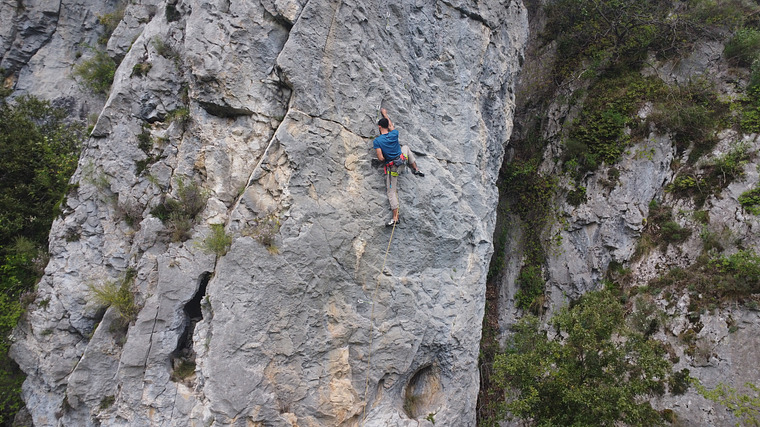
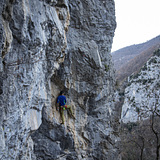
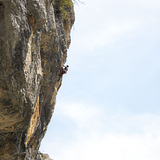
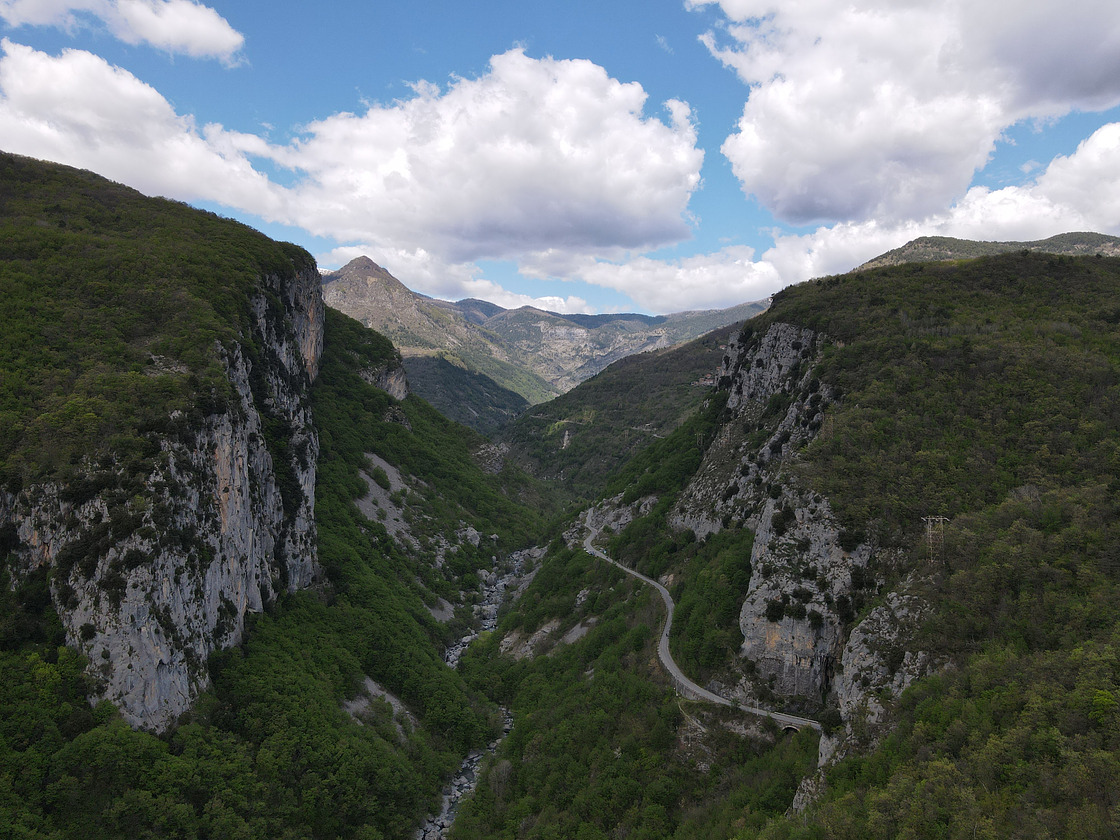
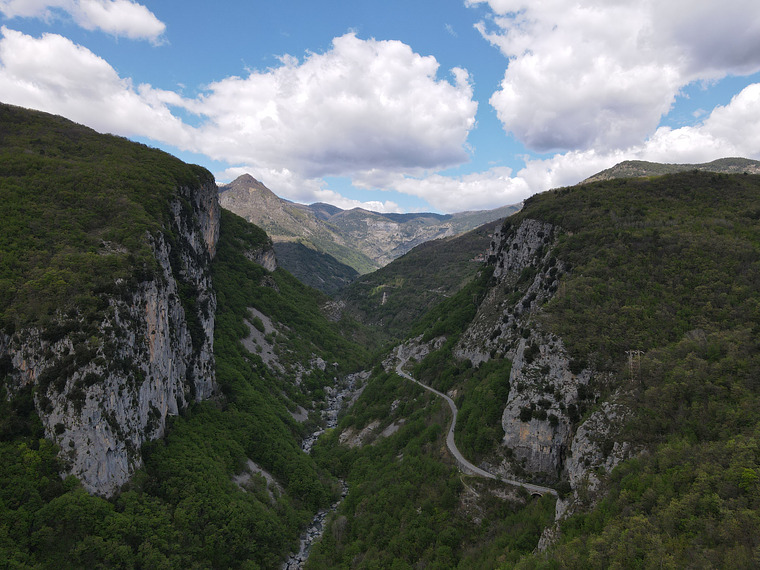
⛰️Located near the picturesque village of Triora, in the upper Argentina Valley, the Loreto crag sits at an altitude of 700 meters, just past the bridge known for bungee jumping. This easily accessible climbing area offers a peaceful setting and several closely spaced sectors, with over 170 routes ranging from grade 4 to 8b.
Thanks to the mild maritime climate and southwest exposure, it's often possible to climb in a t-shirt even during the colder months of the year.
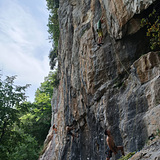
Just across the stream, directly opposite the crag, multipitch enthusiasts will find rewarding challenges on the imposing Paretone wall. The most popular route here is Festival — eight pitches with a mandatory grade of 5b — first climbed by Giulio Scarca in 2009. Other notable routes include Another Spit in the Wall, Via delle Streghe (named after the historic witch trials of Triora), Nonna Italia, Via delle Winx, Verdi Colline d’Africa, and Galactica.
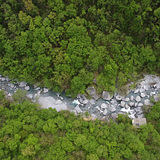
In the riverbed below, climbers will also discover a wealth of bouldering opportunities, with numerous problems established by Christian Core, Stella Marchisio, and other top Italian boulderers.
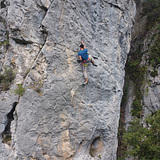
The rock is solid grey limestone, offering technical face climbing on sharp edges and pockets, especially on vertical and slightly slabby walls. The only downside is that some of the older and more trafficked lines may be a bit polished. Protection consists of stainless steel glue-ins and bolts.
The Loreto boulders, also commonly known as the Triora boulders, lie in the riverbed and were discovered by Christian Core and Stella Marchisio. Initially featured in their Varazze guidebook, they eventually fell into oblivion and were no longer visited. In 2025, they were rediscovered and documented once again. The rock, although extremely smooth, is of truly outstanding quality!
🇮🇹
⛰️A pochi chilometri da Triora, suggestivo borgo nell’alta Valle Argentina, si trova la falesia di Loreto, posta a circa 700 metri di altitudine. Superato il ponte celebre per il bungee jumping, si raggiungono facilmente i vari settori, raccolti e tranquilli, per un totale di oltre 170 vie, con difficoltà comprese tra il 4 e l’8b.
L’esposizione a sud-ovest e il clima mite di influenza marittima rendono possibile arrampicare in maniche corte anche durante l’inverno.
Proprio di fronte alla falesia, oltre il torrente, si erge il Paretone, una parete imponente che offre diverse vie multipitch. La più frequentata è Festival, composta da otto tiri con obbligatorio di 5b, aperta nel 2009 da Giulio Scarca. Tra gli altri itinerari si segnalano Another Spit in the Wall, Via delle Streghe (in riferimento ai noti processi tenutisi a Triora), Nonna Italia, Via delle Winx, Verdi Colline d’Africa e Galactica.
Nel greto del torrente si trovano numerosi massi boulder, con passaggi tracciati da alcuni dei migliori specialisti italiani, tra cui Christian Core e Stella Marchisio.
La roccia è un calcare grigio compatto, ideale per un’arrampicata tecnica su placca, con tacche nette e tasche, su pareti verticali o leggermente appoggiate. Alcune vie storiche possono risultare un po’ unte a causa dell’alta frequentazione. La chiodatura è solida, con fittoni resinati inox e fix.
I blocchi di Loreto, comunemente conosciuti anche come blocchi di Triora, si trovano nel letto del fiume e furono scoperti da Christian Core e Stella Marchisio. Inizialmente recensiti nella loro guida di Varazze, col tempo finirono per essere dimenticati e non più frequentati. Solo nel 2025 sono stati riportati alla luce e nuovamente recensiti. La roccia, levigatissima, è di una qualità a dir poco eccellente!