☀️ SUN DURING THE DAY:
• All Day: All the crags
📱 PHONE SIGNAL:
YES
🧭 EXPOSURE:
•S: All the crags
🌧️CLIMBABLE IN THE RAIN:
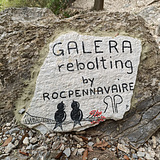
• Galera
• Teahupoo
🧱ROCK TYPE: The rock here is Limestone.
📆 BEST PERIOD:
Best period is winter, spring and autumn for this area
👪 FAMILY FRIENDLY:
YES: Bauso, Fontana & Malavoglia
NO: Anything else
🇬🇧
⛰️
The Veravo area is a true gem of the Val Pennavaire, a corner of the valley that gathers a collection of small crags nestled in nature, all located within a relatively compact zone.
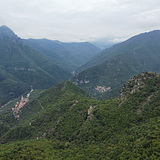
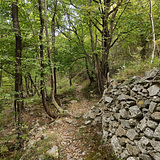
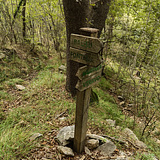
The approach is quite long, but every step is rewarded by the beauty of the landscape, the peaceful atmosphere, and above all, the exceptional quality of the rock.
Here you’ll find an impressive variety of styles: from powerful roofs to technical slabs, from short, intense routes to long, sustained pitches. It’s an area that offers something for every climber — whether you prefer delicate movement and balance or pure strength and endurance.
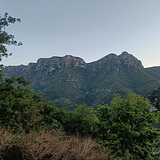
The climbing is mostly technical, often requiring precision, body tension, and controlled power. The approach, though demanding, provides breathtaking views over the valley and a strong sense of isolation that makes the experience even more memorable.
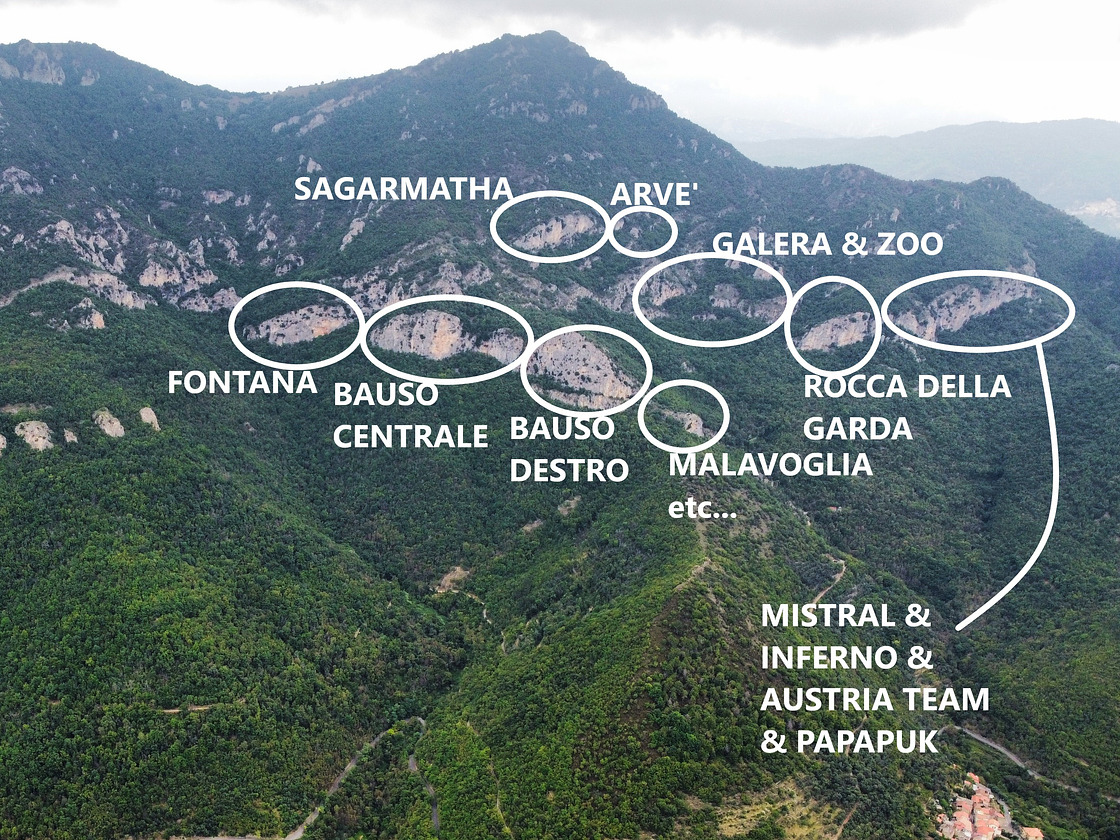
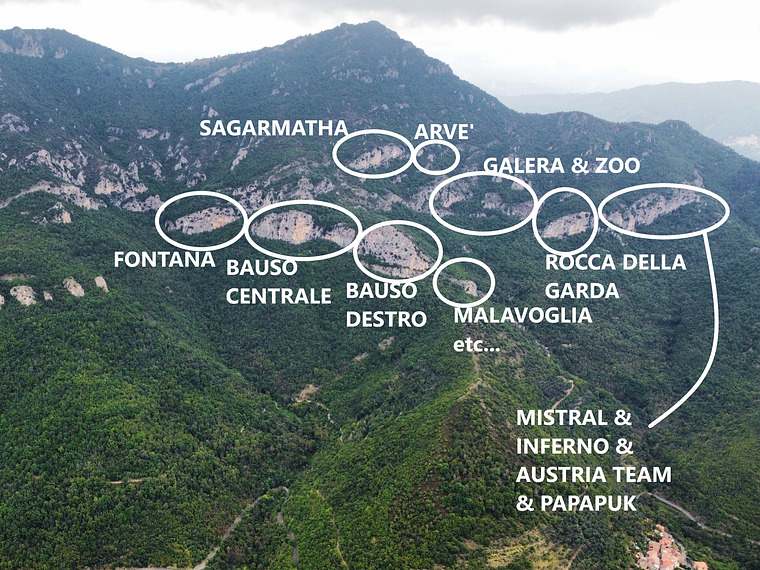
The sectors Bauso Centrale and Bauso Destro form the historical core of the area, with routes established during the early years of development. The newer sectors, Fontana and Sagarmata, represent a more modern style, featuring well-bolted lines and beautiful movement on high-quality rock.
Overall, Veravo is a remarkable climbing area, perfect for cold or mid-season days thanks to its excellent exposure and pleasant microclimate. A place where climbing meets nature, leaving a lasting impression on anyone who ventures up its walls.
🇮🇹
⛰️
La zona di Veravo rappresenta un autentico gioiello della Val Pennavaire, un angolo di valle che racchiude un insieme di piccole falesie immerse nella natura, tutte situate in un’area relativamente compatta.
L’avvicinamento è piuttosto lungo, ma ogni passo viene ripagato dalla bellezza del paesaggio, dalla tranquillità del luogo e, soprattutto, dalla qualità della roccia.
Qui si trova un’incredibile varietà di stili: dai tetti atletici alle placche tecniche e appoggiate, dalle vie corte e intense ai tiri lunghi e continui. È una zona capace di offrire esperienze diverse a ogni tipo di climber, dal principiante all’esperto in cerca di linee raffinate e movimenti eleganti.
L’arrampicata è generalmente tecnica, con sezioni che richiedono forza, precisione e buon senso dell’equilibrio. L’avvicinamento, come detto, è impegnativo, ma regala panorami mozzafiato sulla valle e un senso di isolamento che rende l’esperienza ancora più autentica.
I settori Bauso Centrale e Bauso Destro rappresentano il cuore storico dell’area, con vie nate nei primi anni di sviluppo. I più recenti Fontana e Sagarmata, invece, portano uno stile più moderno, con chiodature curate e linee esteticamente splendide.
Nel complesso, Veravo è una zona dal fascino particolare, ideale nelle giornate fredde grazie alla sua ottima esposizione e al microclima favorevole. Un luogo dove l’arrampicata incontra la bellezza dell’ambiente, lasciando un ricordo duraturo a chiunque decida di salire le sue pareti.