IT
Bella, grande, classica e frequentata falesia per l'arrampicata estiva (chiamata anche Heji o Bleiken).
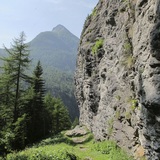
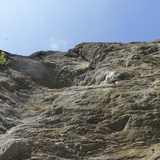
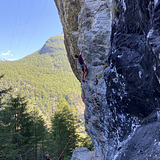
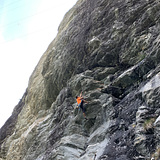
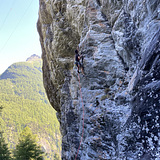
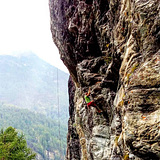
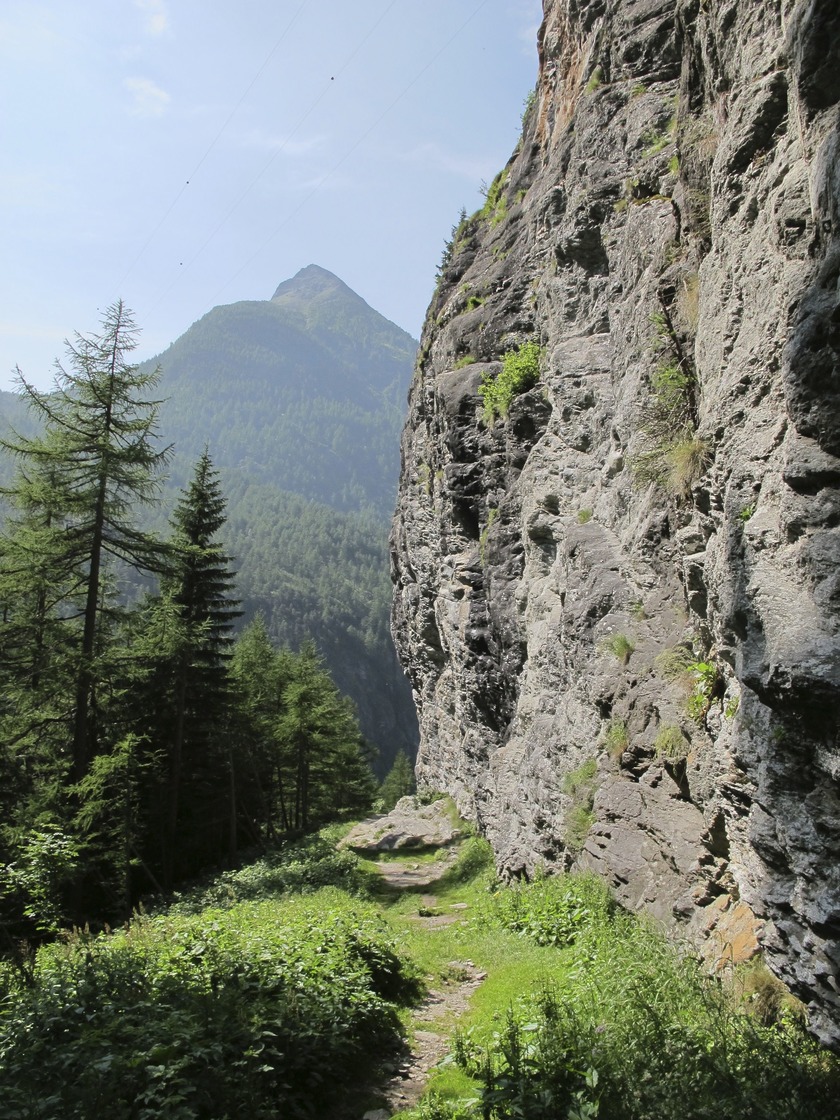
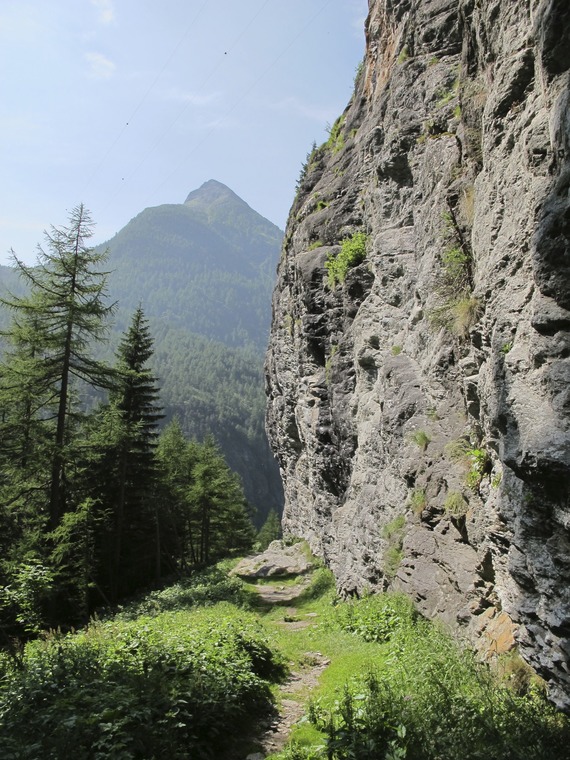
Atipica come stile in confronto al resto della val d'Ossola, offre degli allenanti muri atletici aggettanti alti fino a 30 metri, lavorati a buchi e tacche; il tutto inserito in un bellissimo paesaggio alpino, tra prati e larici.
L'arrampicata è generalmente di facile intuizione e resistenza, con ottima spittatura e sicuramente divertente, su prese più o meno grandi da tirare in strapiombo.
Caratteristiche che, unite a una gradazione tendenzialmente soft, hanno contribuito al successo della falesia.
Ampiamente apprezzata e frequentata, non è raro, nei weekend estivi, trovare un buon numero di climber che fuggono dalla calura del fondovalle (luogo spesso ventilato, consigliato portare da coprirsi anche in piena estate).
Ottima per il livello medio: molti sono i tiri di settimo grado, anche se non manca un discreto numero di itinerari più facili.
Scendendo sul sentiero verso la falesia, sulla sinistra, è presente un area per il wc, onde evitare di lasciare sporcizia in giro.
Il settore alto, meno gettonato, offre una valida alternativa in caso di ressa al settore principale.
Vista l'alta frequentazione del luogo, si prega cortesemente di arrampicare con rispetto: evitare di occupare a lungo le vie con corde e top-rope (in caso, usare moschettoni propri per la moulinette, per evitare di usurare le soste), tutti hanno il diritto di scalare e provare i tiri; con cani e bambini al seguito, far sì che abbiano rispetto delle altre persone in falesia; per quanto scontato, non lasciare immondizia in giro.
La falesia asciuga velocemente ma, durante forti piogge e temporali, tener conto che le uscite dei tiri possono bagnarsi.
Porre attenzione a qualche sasso che a volte può cadere dall'alto.
GB
Beautiful, large, classic and popular crag for summer climbing (Also known as Heji or Bleiken).
Atypical in style compared to the rest of the Ossola valley, it offers athletic overhanging walls up to 30 meters high, characterized by pockets and crimps; all set in a beautiful alpine landscape, among meadows and larches.
Climbing is generally intuitive and endurance-based, definitely fun and with good bolting, on small to large holds that require crimping and overhanging moves.
Features that, combined with a tendentially soft grading, have contributed to the crag's popularity.
Widely appreciated and frequented, it's not uncommon to find a fair crowd of climbers escaping the heat of the valley floor on summer weekends (an often breezy spot, recommended to bring layers even in the middle of summer).
Great for intermediate climbers: many routes are 7th grade, although there are also a good number of easier itineraries.
When descending the trail towards the crag, on the left, there is a designated area for toilets, to avoid leaving waste scattered around.
The "alto" sector, less crowded, offers a valid alternative in case of queue at the main sector.
Given the high frequency of visitors, please climb with respect: avoid occupying routes for long periods with ropes and top-rope (in case, use your own carabiners for moulinette, to avoid wearing out the anchors), everyone has the right to climb and try the routes; when accompanied by dogs or children, ensure they respect other people in the crag; as obvious as it may seem, please do not leave trash behind.
The crag dries quickly, but during heavy rain and thunderstorms, be aware that the route exits can get wet.
Be aware of loose rocks that may occasionally fall from above.