☀️SUN DURING THE DAY:
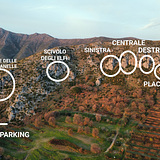
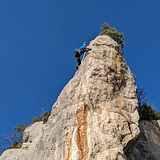
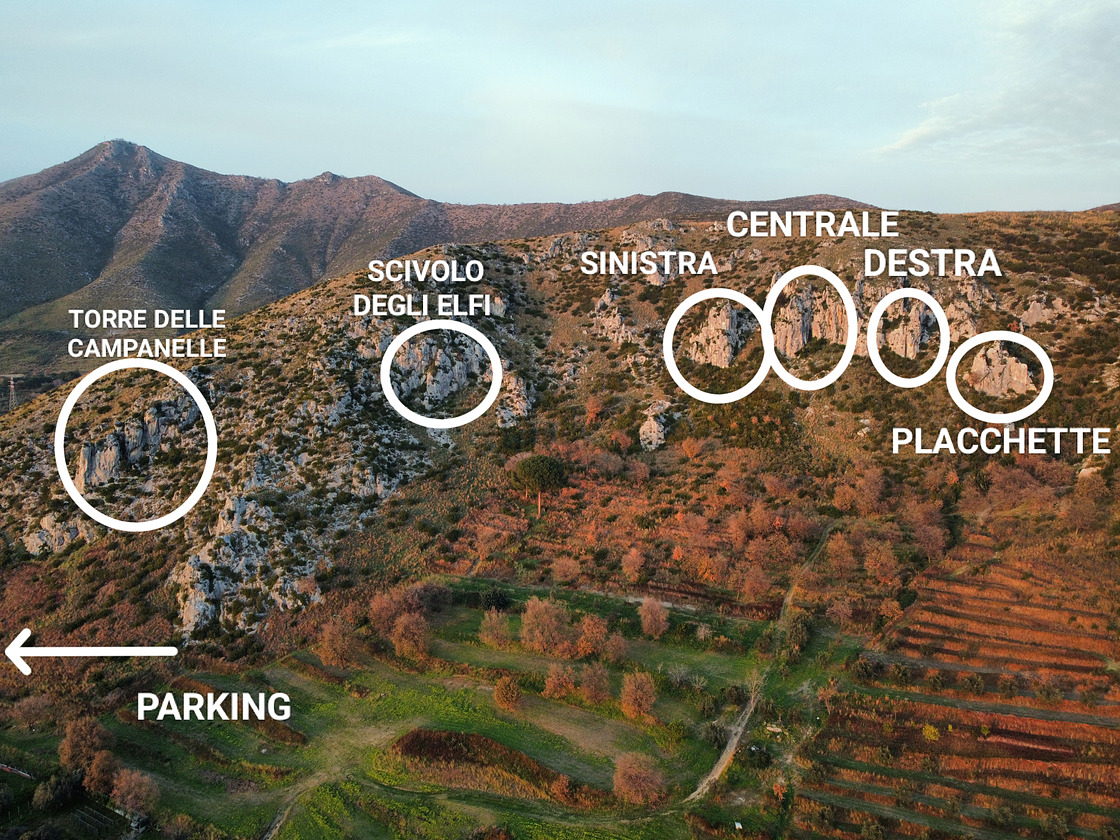
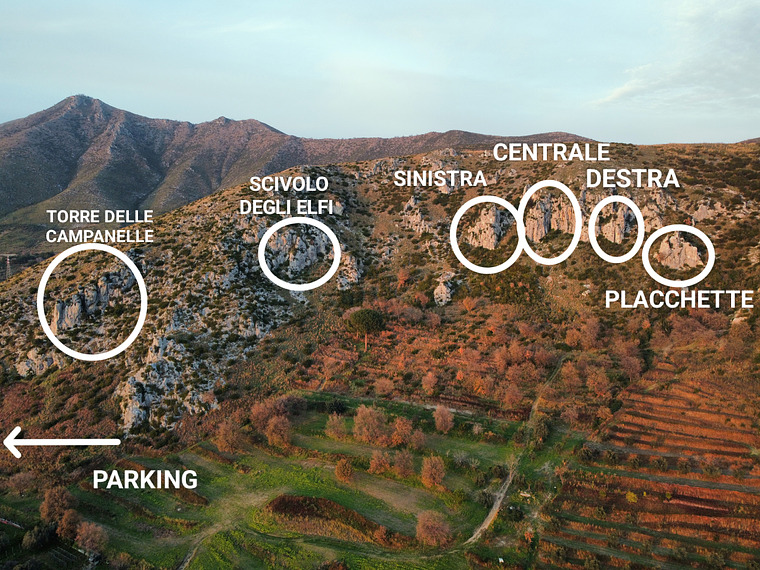
From morning to afternoon: Torre delle Campanelle, Sinistra, Centrale, Destra, Placchette
Morning: Scivolo degli Elfi
🧭 EXPOSURE:
S/SW: Torre delle Campanelle, Sinistra, Centrale, Destra, Placchette
SE: Scivolo degli Elfi
🧱ROCK TYPE:
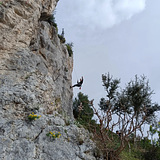
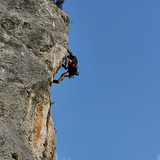
The rock here is limestone with mini tufas, this feature of the rock is unique in the area.
📆 BEST PERIOD:
Due to the exposure the best period is winter during sunny days, early spring and late autumn are good as well.
👪 FAMILY FRIENDLY:
NO
📱PHONE SIGNAL:
YES ✅
🇬🇧
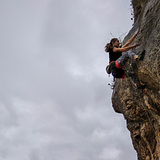
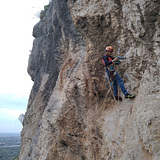
⛰️The San Prisco crag, also known as Monte Tifata, is one of the most popular sport climbing destinations in the province of Caserta, thanks to its proximity to the city, allowing for short climbing sessions without the need to dedicate an entire day.
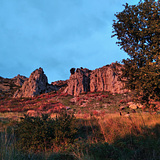
The crag is located in a valuable natural area, so it is essential to respect the environment and avoid leaving any waste. It is situated at the foot of Monte Croce Santa (often mistakenly called Monte Tifata), above vast olive groves that separate the area from the city's hustle and bustle. Due to its elevated position above the plain, it offers a panoramic view on the city, stretching from Mount Vesuvius to the islands of Capri and Ischia.
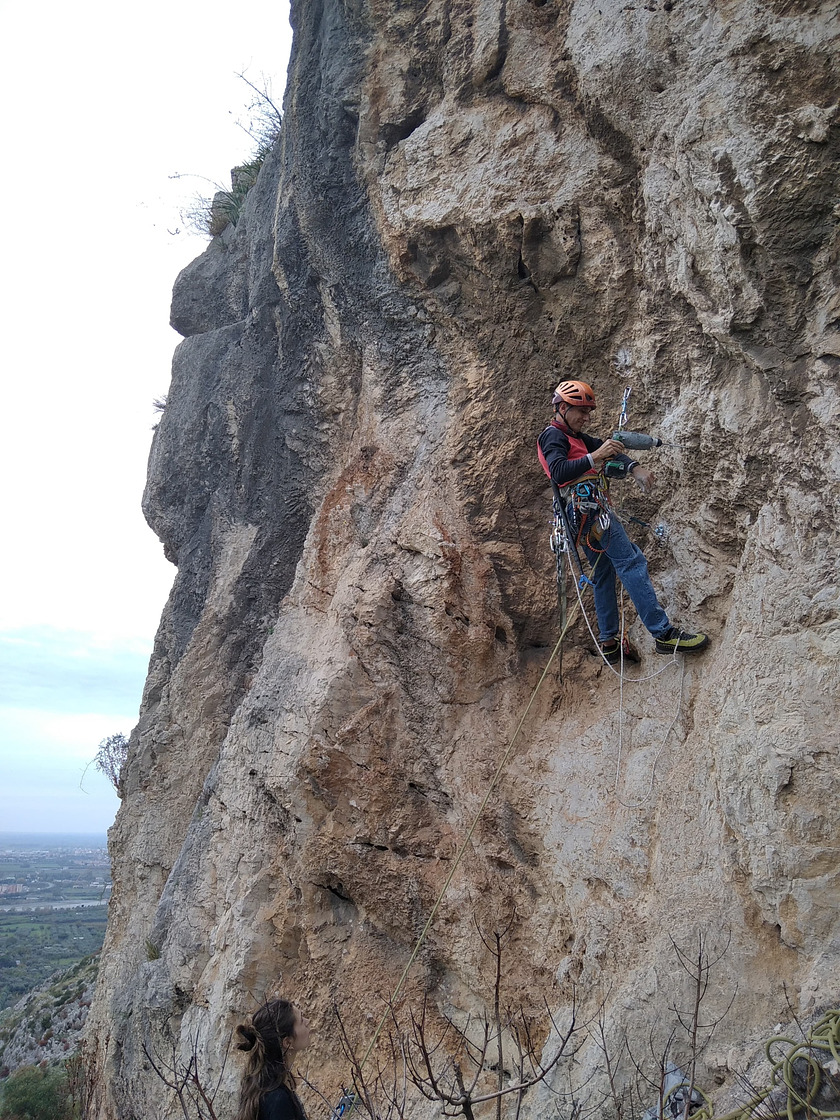
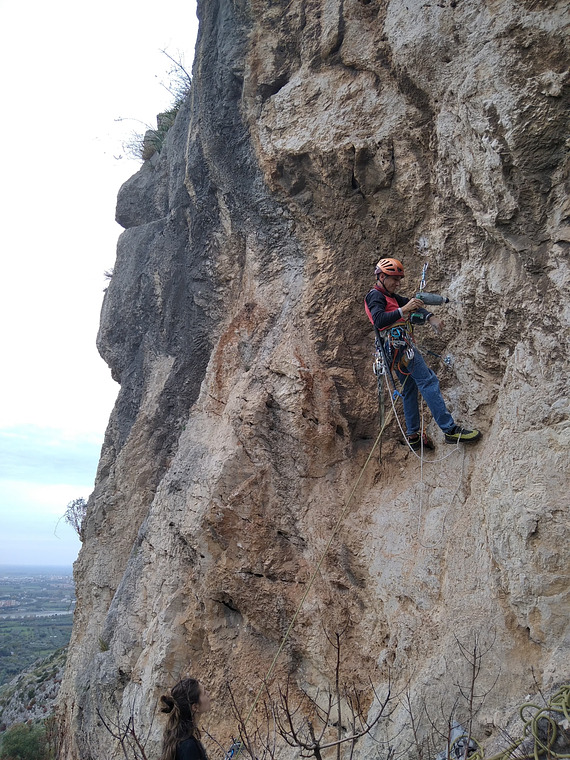
The area offers an excellent combination of compact limestone rock, characterized by crimps and tufas, a favorable exposure, and routes with difficulties ranging from 5 to 7. Climbing is mainly on vertical or slightly overhanging routes. However, some routes are currently not climbable as they require rebolting due to worn-out equipment. Therefore, it is always advisable to check the condition of the route before starting your climb. The rebolting is progressing slowly, thanks to donations from local climbers.
Thanks to its exposure, the crag is ideal for climbing in mid-seasons and winter. In summer, however, the heat can be intense, making climbing less enjoyable during the central hours of the day.
🇮🇹
⛰️La falesia di San Prisco, conosciuta anche come Monte Tifata, è una delle mete più apprezzate per l'arrampicata sportiva nella provincia di Caserta, grazie alla sua vicinanza alla città, che rende possibile scalare anche in sessioni brevi senza dover dedicare un'intera giornata.
La falesia si trova in un'area naturale di pregio, pertanto è fondamentale rispettare l'ambiente e non lasciare rifiuti. L'area si sviluppa ai piedi del Monte Croce Santa (erroneamente chiamato Monte Tifata), sopra vaste distese di uliveti che separano la falesia dal caos cittadino. Essendo situata in una posizione sopraelevata rispetto alla pianura, offre una vista panoramica sulla città, che spazia dal Vesuvio fino alle isole di Capri e Ischia.
L'area offre un'ottima combinazione di roccia calcarea compatta, caratterizzata da tacche e canne, un'esposizione favorevole e vie con difficoltà comprese tra il 5 e il 7. La scalata si svolge prevalentemente su vie verticali o leggermente strapiombanti. Alcune vie, tuttavia, non sono attualmente praticabili poiché necessitano di essere richiodate a causa dell'usura dell'attrezzatura. Si consiglia, quindi, di verificare sempre che la via sia agibile prima di iniziare la scalata. La richiodatura è in corso e procede lentamente grazie alle donazioni degli arrampicatori della zona.
Grazie alla sua esposizione, la falesia è ideale per le mezze stagioni e per l'inverno. Durante l'estate, invece, il caldo può essere intenso, rendendo l'arrampicata meno piacevole nelle ore centrali della giornata.