❗ NOT ALL THE LINES ARE REBOLTED, SO CHECK TWICE ALL OF THEM BEFORE CLIMBING❗
☀️SUN DURING THE DAY:
•In the afternoon for Placche del Leccio & sun in the morning for Giganti
🧭 EXPOSURE:
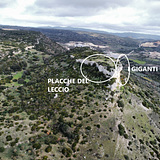
•South East for Giganti & West for Placche Del Leccio
🧱ROCK TYPE:
•The rock here is a white Limestone.
📆 BEST PERIOD:
•The Best period is all year around, not after13 in summer and not in the windy days in Winter
👪 FAMILY FRIENDLY:
•NO
📱PHONE SIGNAL:
•YES
🇬🇧
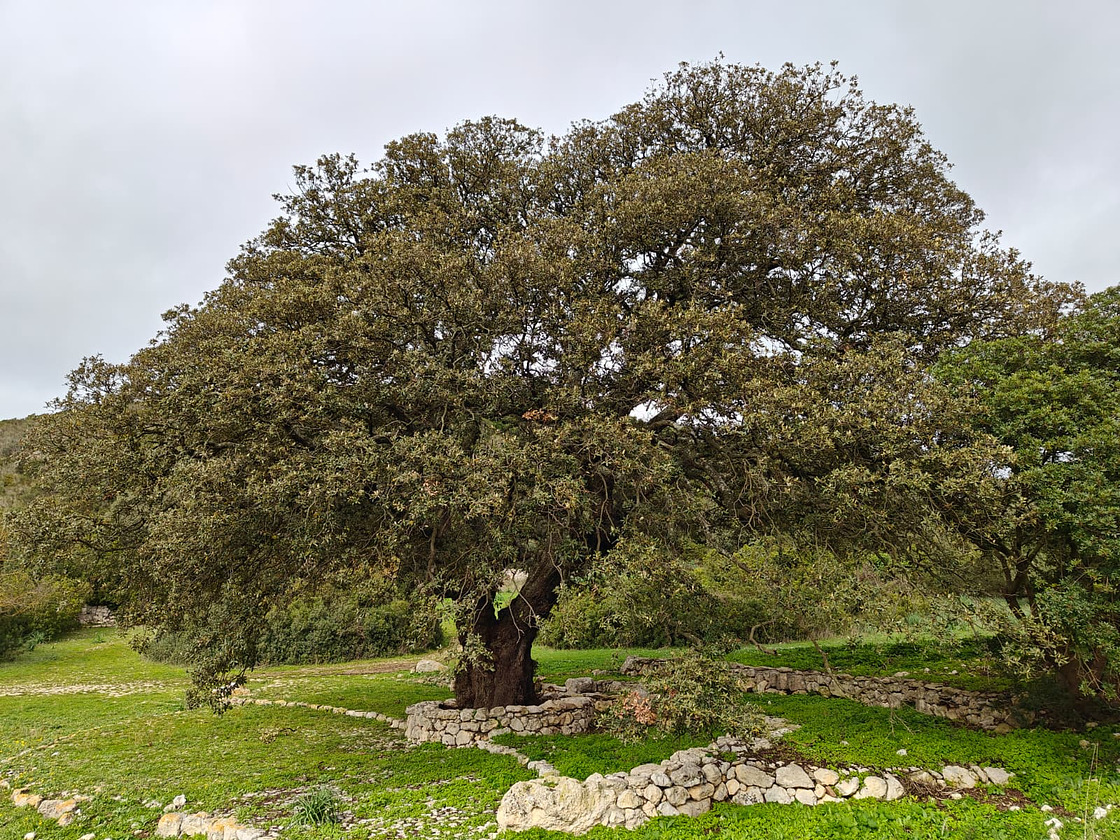
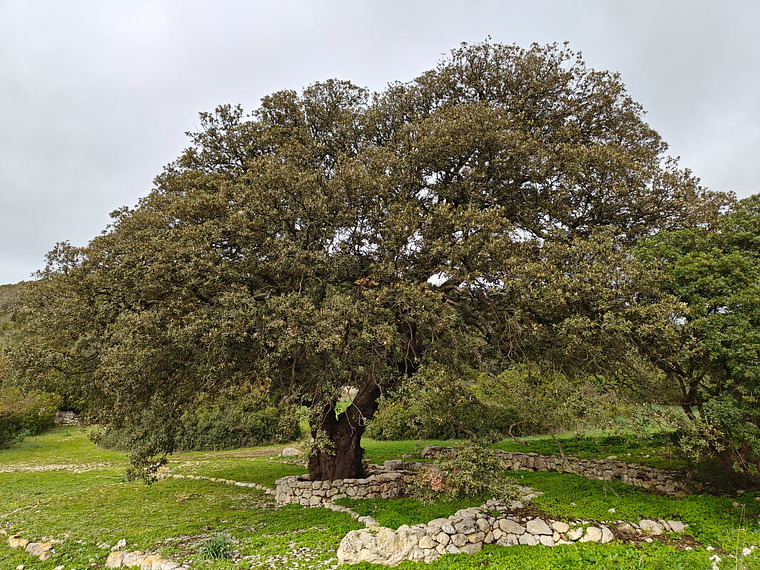
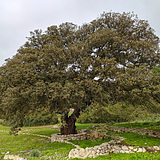
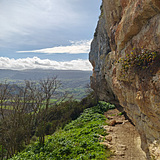
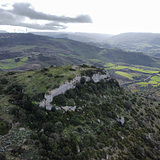
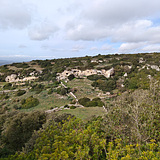
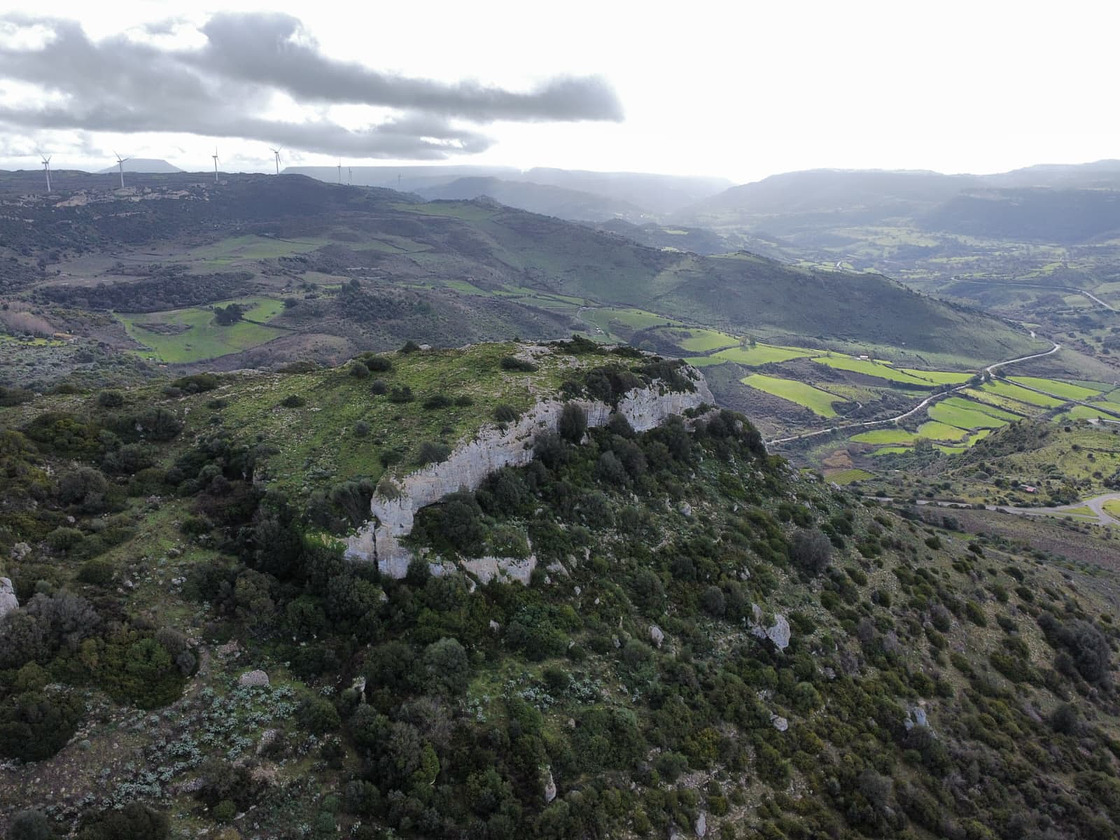
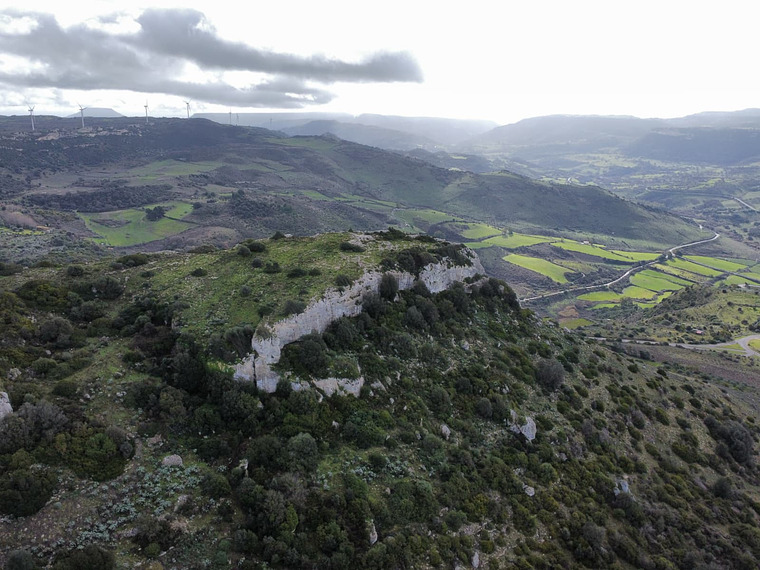
⛰️The crag was bolted in the early 2000s by Sardegna Verticale. It is a small wall, mostly developed in length, set in a scenic environment, featuring an ancient holm oak and a stunning view of the north-western coast.
The routes are short, never long, but by no means easy: climbing here demands attention and precision. The bolting is old and must be carefully checked before climbing, especially given the marine environment.
The rock is high-quality white limestone, with subtle, shallow pockets. The climbing style is mainly on slabs and vertical walls, where finger strength, body control, and precise positioning are essential.
The crag is climbable year-round, but in summer, particularly after midday, the sun becomes very intense. In winter, the cold north-western wind (maestrale) can be bothersome.
The Parete dei Giganti, located in the same area, is another wall with few but high-quality routes. Here too, it is crucial to carefully inspect the bolts, as the salt from the sea can accelerate their deterioration.
🇮🇹
⛰️La falesia è stata chiodata nei primi anni 2000 da Sardegna Verticale. Si tratta di una piccola parete, sviluppata soprattutto in lunghezza, immersa in un contesto suggestivo, con la presenza di un leccio secolare e una splendida veduta sulla costa nord-occidentale.
Le vie sono brevi, mai lunghe, ma tutt’altro che regalate: l’arrampicata richiede attenzione e precisione. La chiodatura è datata e va controllata con molta cura prima di scalare, anche in considerazione dell’ambiente marino.
La roccia è un calcare bianco di ottima qualità, caratterizzato da buchi appena accennati. Lo stile di arrampicata è prevalentemente su placche e muri verticali, dove la forza di dita, il controllo del corpo e il posizionamento sono fondamentali.
La falesia è scalabile tutto l’anno, ma in estate, soprattutto dal pomeriggio in poi, il sole diventa molto intenso. In inverno, invece, nelle giornate fredde, il maestrale può risultare fastidioso.
La Parete dei Giganti, situata nella stessa zona, è un’altra parete con poche vie ma di qualità elevata. Anche qui è indispensabile verificare attentamente la chiodatura, poiché la salsedine, tipica dell’ambiente insulare, accelera il deterioramento del materiale.