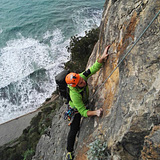
⚠️Falling rocks from above are a real hazard, caused both by natural instability of some blocks and by goats or people walking on the ledges above the cliffs, so always stay alert. Additionally, sea salt corrosion can weaken some bolts, making it essential to carefully check each route before climbing.⚠️
☀️ SUN DURING THE DAY:
• All day long
📱 PHONE SIGNAL:
• YES
🌧️CLIMBABLE IN THE RAIN:
• NO
🧭 EXPOSURE:
• The full zone is Soth-West
🧱ROCK TYPE:
• The rock here is from low quality to good quality Limestone .
📆 BEST PERIOD:
• Spring, Autumn and Winter
👪 FAMILY FRIENDLY:
• Due to the falling rocks, we not reccomend to go there with children
🇬🇧
⛰️
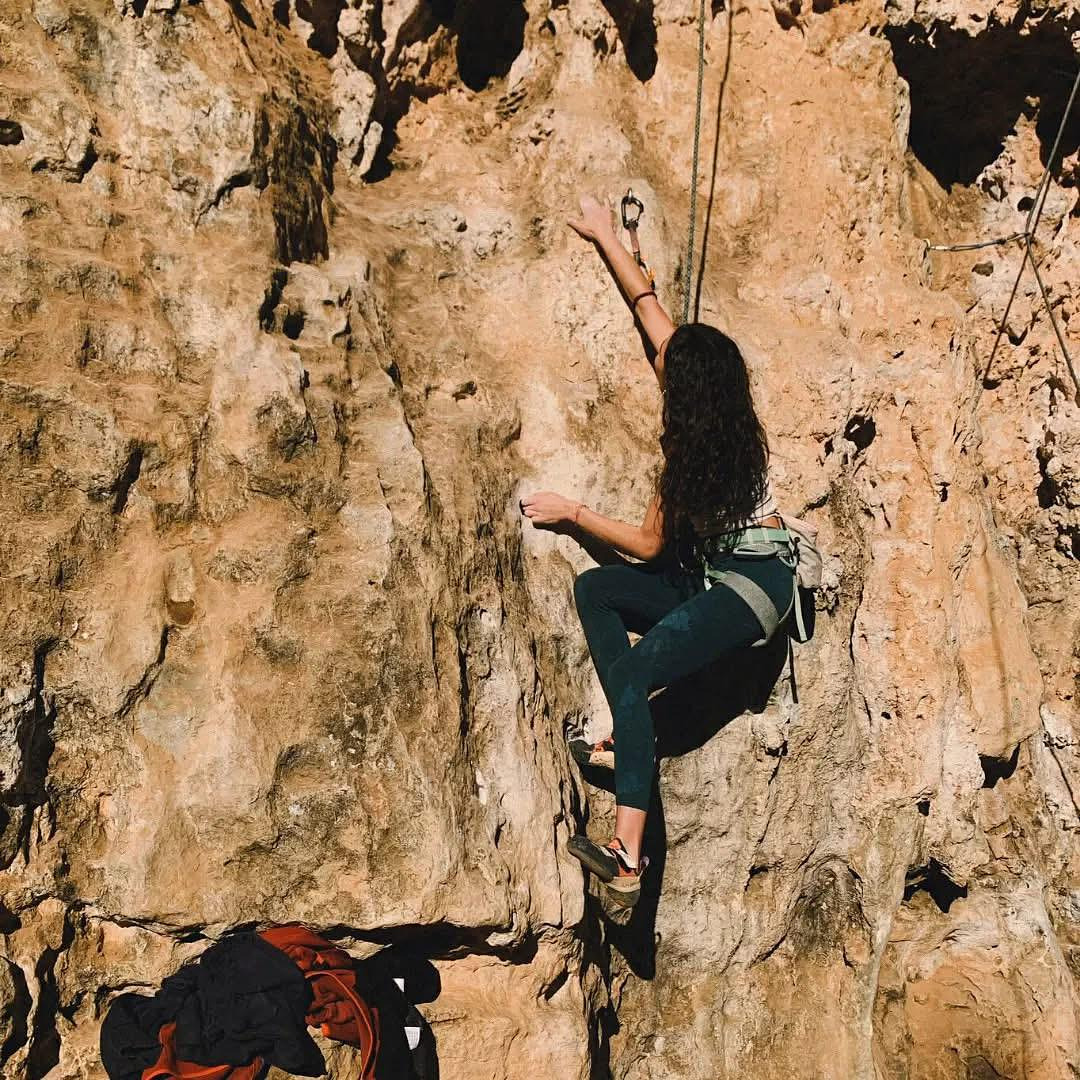
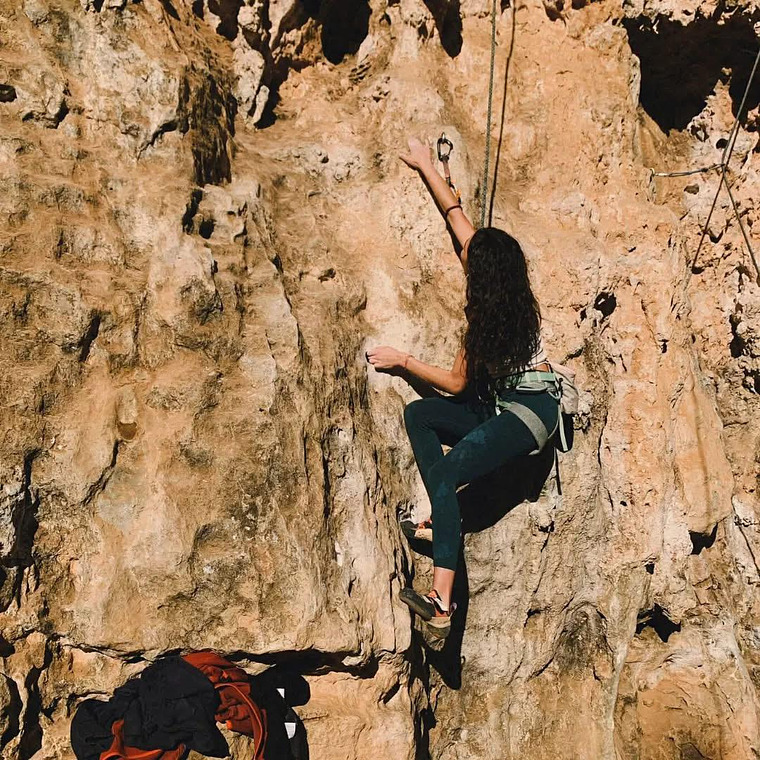
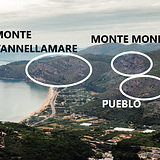
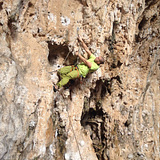
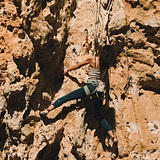
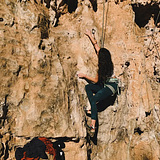
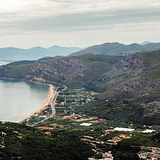
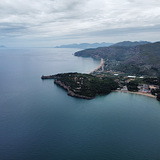
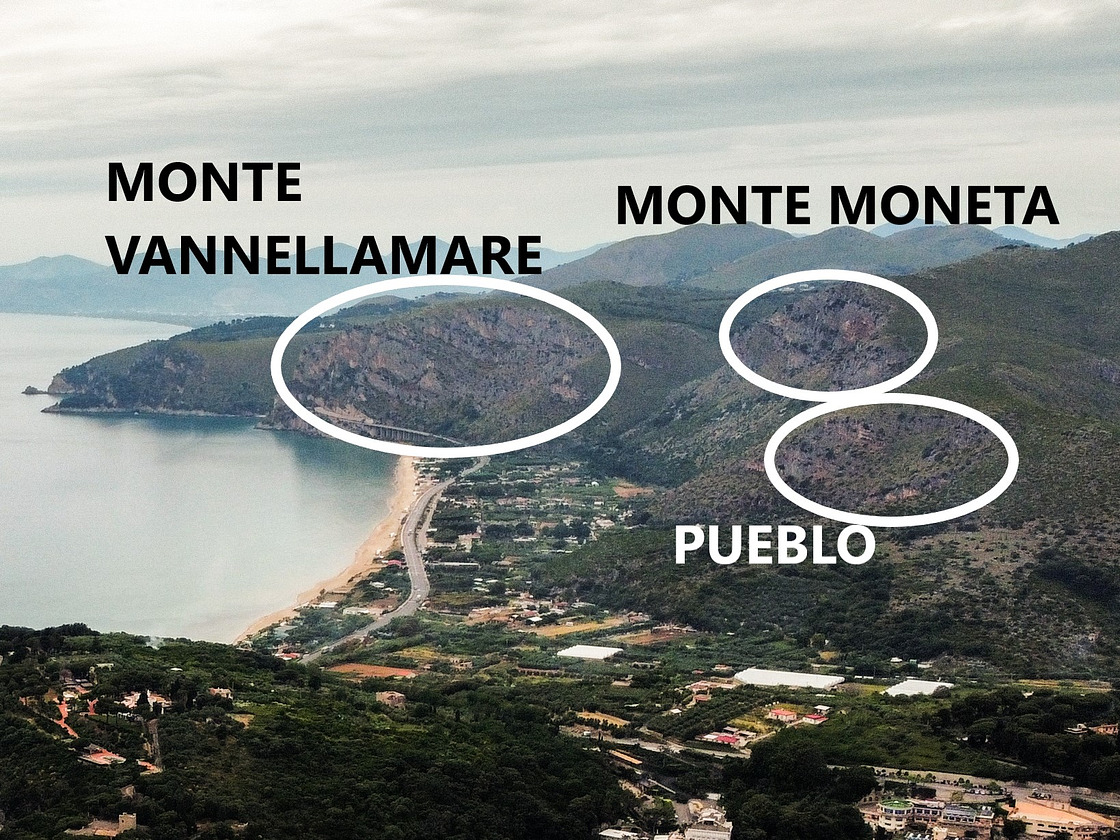
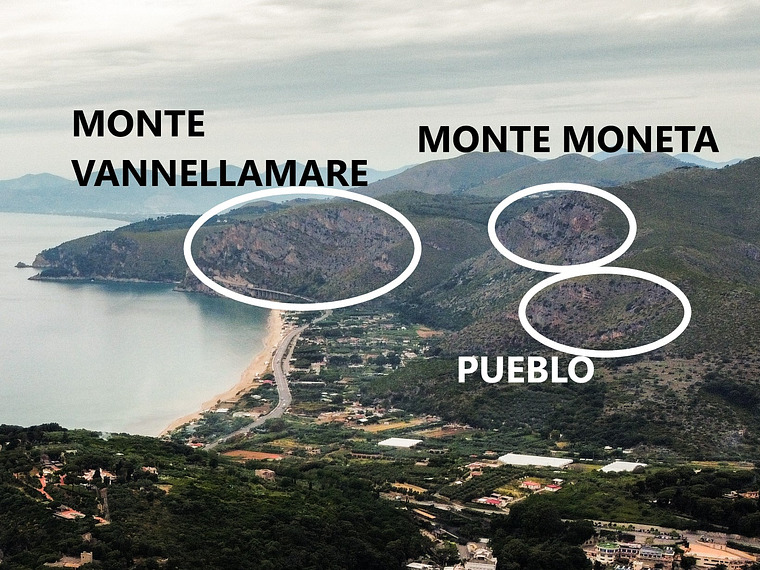
Located on the far right of the Sperlonga climbing area, this scenic cliff offers a wide range of climbing options, making it an attractive spot for both regular visitors and those discovering the crag for the first time.
• La Pala
Nearly 40 routes on a large rock formation, with grades ranging from 4 to 6c. A broad and varied sector, perfect for relaxed climbing days.
• Grotta del Pueblo
Just over 30 routes ranging from grade 4 to beyond 8. Steep, powerful lines and demanding overhangs — but be cautious: part of the cave has collapsed.
• Boca de Cielo
Almost twenty routes from grade 5 to 6, perfect for intermediate climbers looking for continuity on beautiful slabs.
• Ojo del Sol
Around 20 compact and intense lines, from 6a to 7c. Short but physical climbs on a wall that doesn’t give anything for free.
🇮🇹
⛰️
Situata all’estrema destra del comprensorio di Sperlonga, questa falesia panoramica offre una vasta gamma di possibilità di arrampicata, rendendola una meta interessante sia per chi frequenta abitualmente la zona sia per chi la scopre per la prima volta.
• La Pala
Quasi 40 linee tracciate su una grande formazione rocciosa, con difficoltà che vanno dal 4° al 6c. Un settore ampio e vario, ideale per giornate di scalata rilassata.
• Grotta del Pueblo
Poco più di 30 linee che spaziano dal 4° grado fino a superare l’8°. Strapiombi potenti e linee impegnative, ma una parte della grotta è crollata: attenzione.
• Boca de Cielo
Quasi una ventina di linee dal 5° al 6° grado, perfette per scalatori di livello intermedio in cerca di continuità su belle placche.
• Ojo del Sol
Quasi 20 vie compatte e intense, dal 6a al 7c. Tiri corti ma fisici, su un muro che non regala nulla.