☀️SUN DURING THE DAY:
Only in the morning: Rita Della Monica, Caos, Centrale, Destro
Late afternoon (during spring and summer): Geko, Began
Never: Annord
🧭 EXPOSURE:
E: Rita Della Monica, Caos, Centrale, Destro
N: Annord
N/NW: Geko, Began
🧱ROCK TYPE:
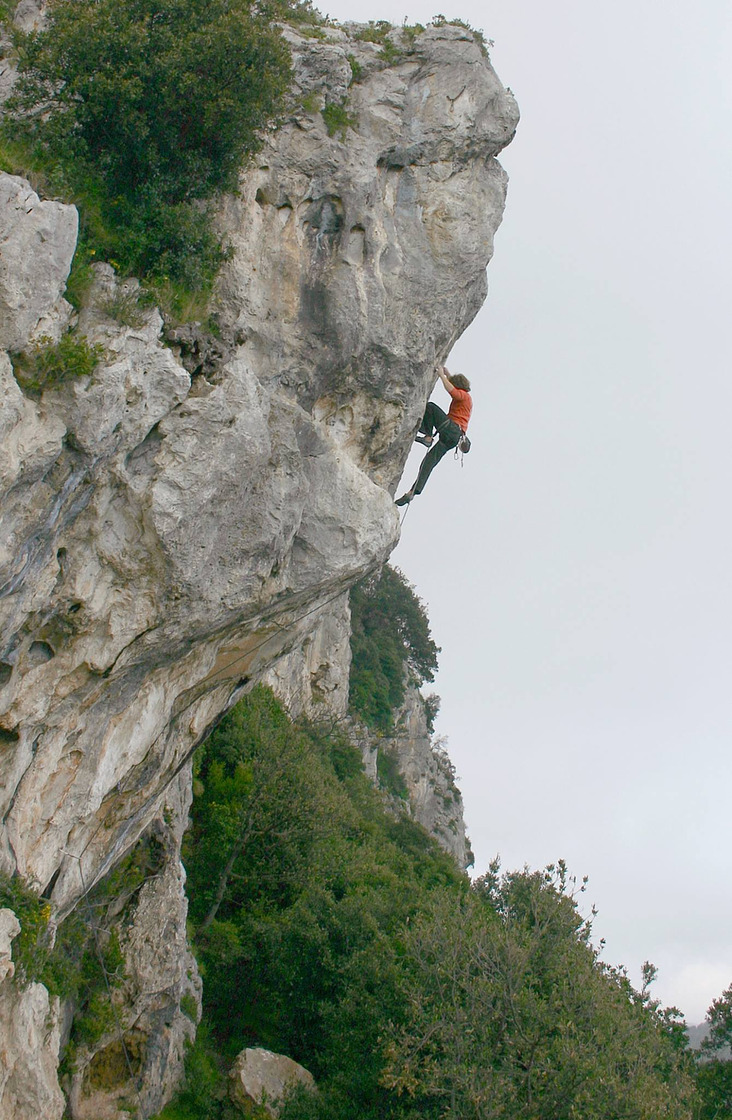
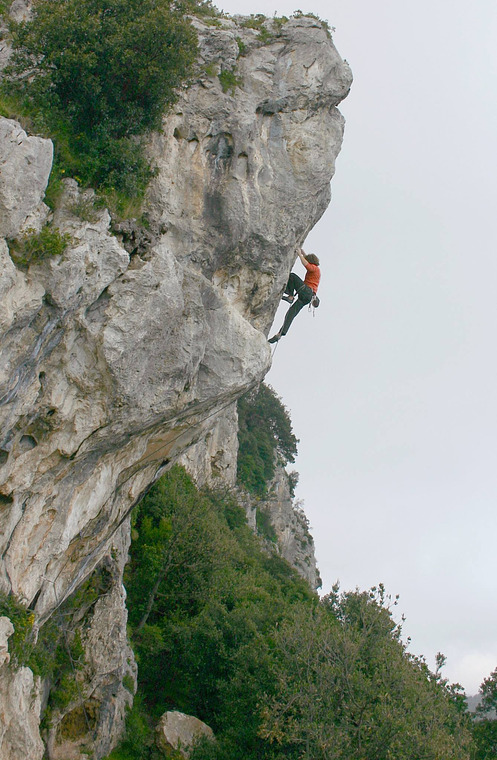
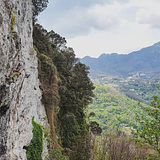
The rock is a very compact limestone, with different features and colors between the sectors, from tufas to drip-pocket slab.
📆 BEST PERIOD:
In this area it's possible to climb during all the year and in any moment of the day thanks to the different orientation of the walls, but the best conditions are from october to may.
👪 FAMILY FRIENDLY:
YES but the approach to many sectors is a path in the woods.
📱PHONE SIGNAL:
YES ✅
🇬🇧
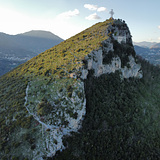
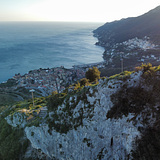
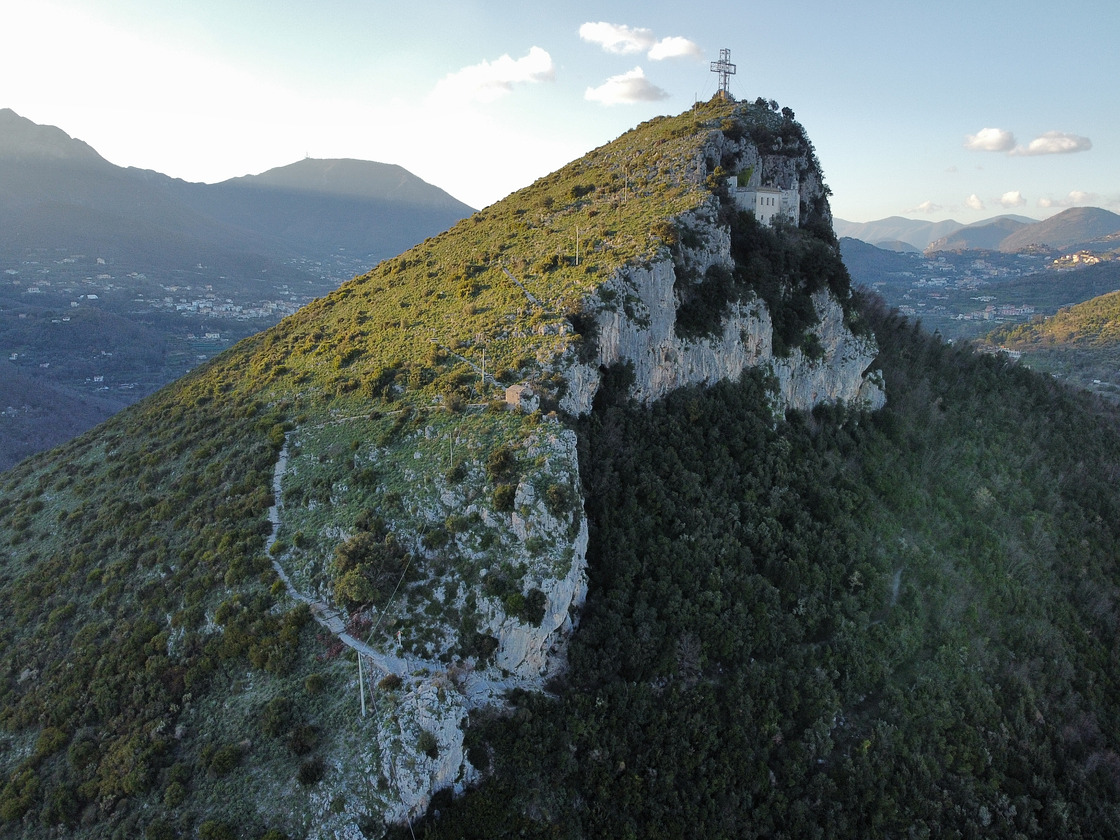
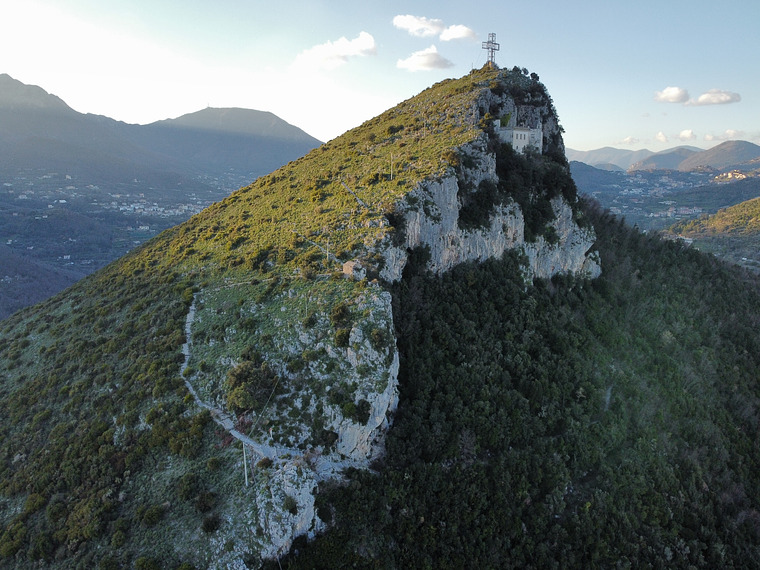
⛰️Monte San Liberatore, located between Cava de’ Tirreni and Vietri sul Mare, in the province of Salerno, is a historic climbing crag, as it is where the first climbing routes in Campania were bolted. From its summit, one can enjoy a stunning view of the Gulf of Salerno and the Amalfi Coast.
The site is also known for the San Liberatore Sanctuary, located at the mountain’s summit, which attracts both hikers and pilgrims. The environment is surrounded by lush greenery, with typical Mediterranean flora and a peaceful, minimally developed atmosphere.
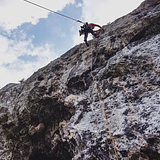
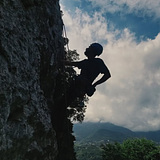
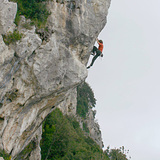
The routes range in difficulty from grade 4 to grade 8; many are characterized by the presence of a single crux move that defines the overall grade. The climbing area extends across several sectors with different orientations around the mountain, making it possible to climb year-round and at any time of day.
🇮🇹
⛰️Monte San Liberatore, situato tra Cava de’ Tirreni e Vietri sul Mare, in provincia di Salerno, rappresenta una falesia storica, poiché è il luogo dove sono state chiodate le prime vie di arrampicata della Campania. Dalla sua cima si gode una splendida vista sul Golfo di Salerno e sulla Costiera Amalfitana.
Il sito è noto anche per la presenza del Santuario di San Liberatore, situato sulla vetta del monte, meta di escursionisti e pellegrini. L’ambiente è immerso nel verde, caratterizzato da una flora tipicamente mediterranea e da un’atmosfera tranquilla e poco antropizzata.
Le difficoltà delle vie spaziano dal 4° all'8° grado; molte linee sono particolarmente note per la presenza di un singolo passaggio chiave che determina la difficoltà complessiva della via. L’area si sviluppa in diversi settori con vari orientamenti attorno al monte, rendendo possibile l’arrampicata durante tutto l’anno e in qualunque momento della giornata.