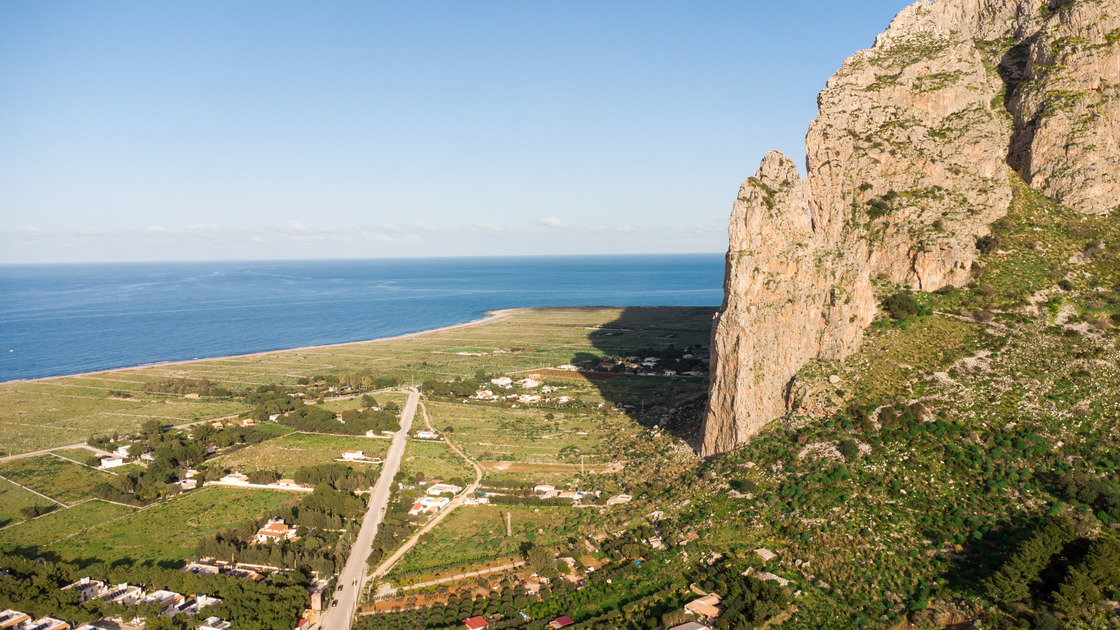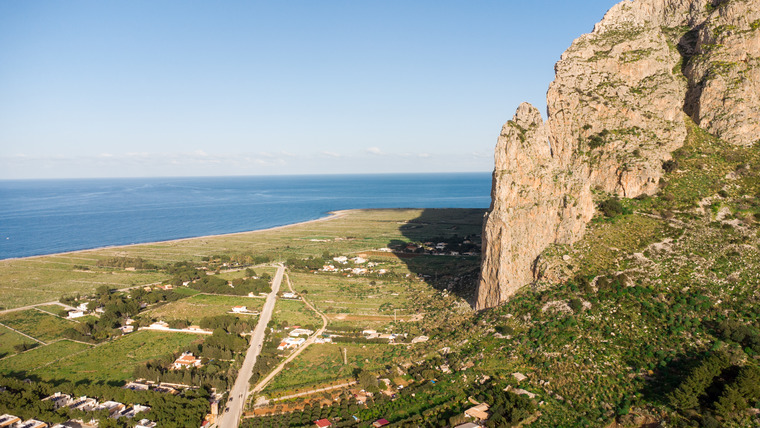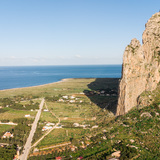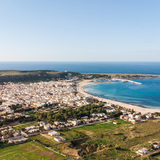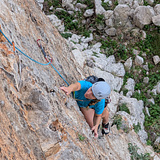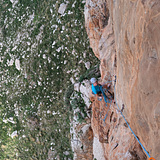
🧗♂️ Cattedrale nel Deserto – San Vito lo Capo, Sicily
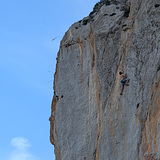
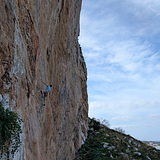
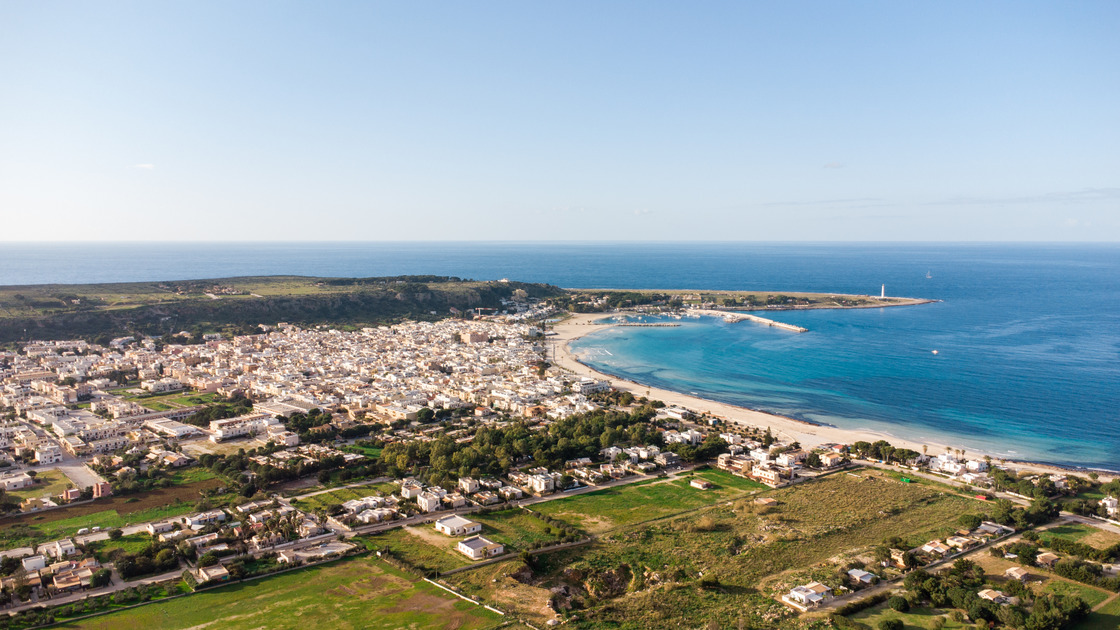
Cattedrale nel Deserto is one of the most iconic and historically significant crags of the San Vito lo Capo area. Developed started as early as 1980s, it was among the first cliffs to be bolted on Monte Monaco’s eastern face. The name reflects both the grandeur of its sweeping walls and its somewhat isolated position above the coastal plain.
Over the decades, the crag has evolved from a handful of adventurous mixed lines to a modern sport-climbing venue. Thanks to recent rebolting efforts and new routes, Cattedrale nel Deserto now offers a superb mix of classic technical slabs, sustained vertical walls, and a few long multi-pitch routes that reach the upper crest of the formation. The multi-pitch routes are not described here now, but they will be added in the future.
Climbers will find a rich variety of styles — from delicate, footwork-intensive slabs in the sixes to long, pumpy endurance challenges in the 7th and 8th grades. Many routes feature extensions and independent lower-offs added during rebolting, though some older lines remain in their original condition.
🪨 Crag Features
The climbing at Cattedrale nel Deserto is defined by smooth, vertical limestone walls with intermittent cracks, small pockets, and flowstone features. The rock is generally solid, though expect some polish on the most popular pitches and occasional damp sections after rain.
The central wall is particularly impressive, with long, continuous lines that demand both technique and stamina. To the left are the older and more varied routes — including several adventurous multi-pitch climbs — while the right side hosts cleaner grey slabs and more accessible mid-grade sport routes.
Ongoing re-equipping projects are bringing this historic venue back to life, but be cautious of old bolts or anchors on less-traveled routes. Due to the height of many lines, a minimum 80 m rope is recommended, and some descents require lowering in stages.
🧭 Sectors
Cattedrale
Sun & Shade: Mixed exposure, cooler conditions
Approach: ~15 min uphill from the main trail
Character:
Left:
The cooler, more exposed side of the crag. Hosts a mix of old and rebolted lines, including several multi-pitch climbs.
The grand central shield:
steep, vertical, and impressive. It can remain greasy, especially on popular lines after humid nights. Expect long, sustained pitches and hard extensions.
Right:
Cleaner, drier slabs and excellent mid-grade sport climbing. Easier routes than in the central sector, perfect for warming up or mileage climbing.
Notes: Routes from Viaggio Verso Infinito to Pinelsa are older, and their condition varies. Treat them with caution and report any updates.
Descent: If topping out on multi-pitch routes, walk down the slope to the left (facing the wall).