IT
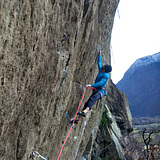
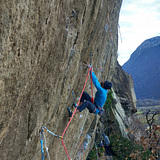
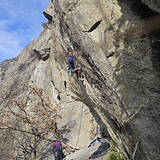
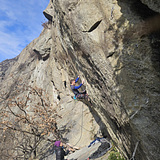
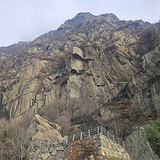
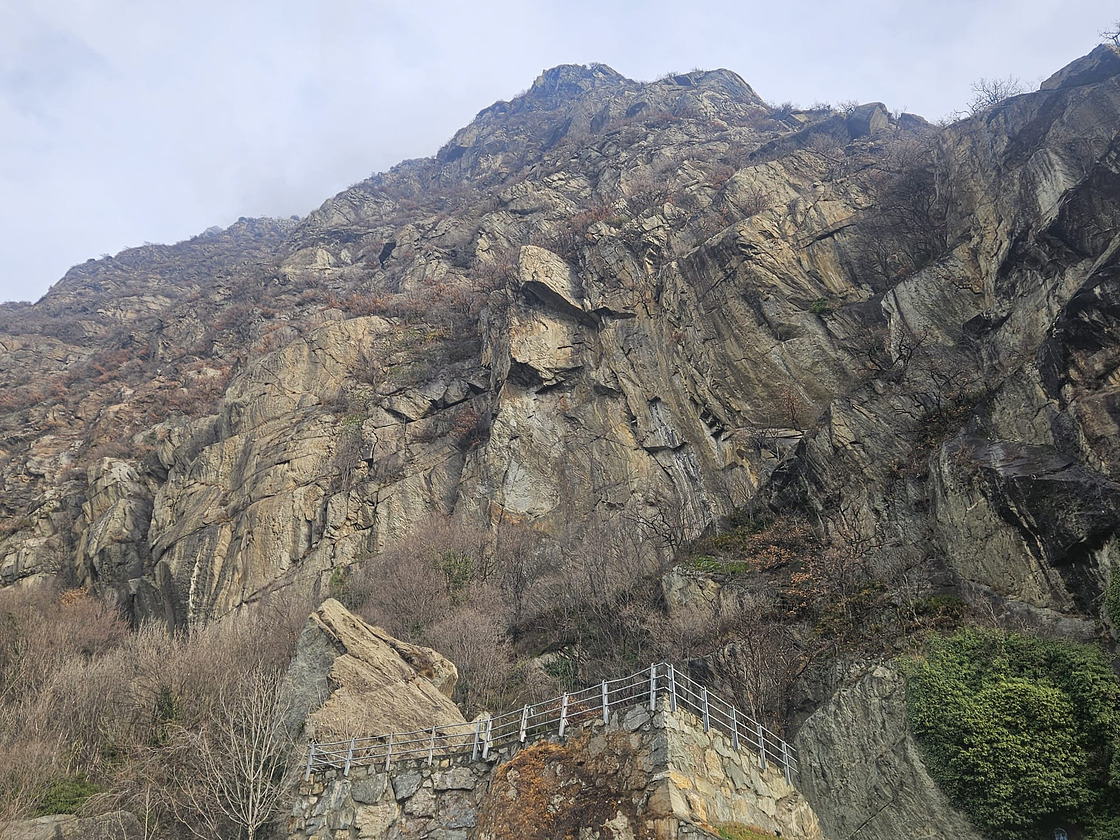
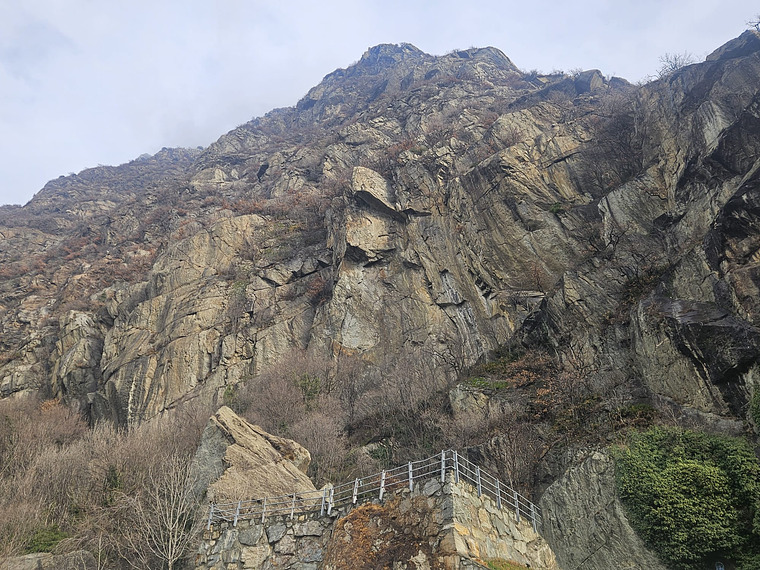
Classica e rinomata falesia della val d'Aosta con avvicinamento molto breve e ampia scelta di tiri e stili di arrampicata.
Si va infatti dalle vie su placca leggermente abbattuta ai tiri più duri in costante strapiombo; non mancano le fessure: "Machaby river" è un vero must-do nel genere.
La roccia è di buona qualità con un' ampia gamma di prese e prensioni: tacche, buchi, svase, ce n'è per tutti i gusti; sui tiri più duri alcune prese sono scavate o create con la sika.
La chiodatura, sopratutto sui tiri più facili, è spesso obbligata e in alcuni casi abbastanza lunga: scelta dei chiodatori che qui hanno voluto creare una falesia con un'ottica leggermente diversa dalle altre falesie nella zona.
Scomoda ed esposta la base sulla cengia, comode le basi degli altri settori, ma abbastanza ristrette e non particolarmente adatte ai bambini.
La roccia asciuga abbastanza velocemente dopo le piogge.
Periodo migliore per scalare sono le mezze stagioni e l'inverno nelle giornate non troppo fredde, tenendo conto che la parete al mattino rimane in ombra e prende il sole da mezzogiorno circa in poi.
GB
Classic and renowned crag in the Aosta valley with a very short approach and a wide selection of pitches and climbing styles.
It ranges from routes on slightly leaning slab to harder lines on constant overhang; there are also some cracks: "Machaby river" is a true must-do in the genre.
The rock is of good quality with a wide range of holds and grips: pockets, crimps, slopers, there's something for everyone; on the harder routes some holds are chipped or created with sika.
The bolting, especially on the easier pitches, is often obliged and sometimes quite long: a choice by the bolters who wanted to create a crag with a slightly different approach compared to other local crags.
The base on the ledge is uncomfortable and exposed, the bases of the other sectors are comfortable but quite narrow and not particularly suitable for children.
The rock dries fairly quickly after rain.
Best time to climb are shoulder seasons and winter on not too cold days, considering the wall is in shade in the morning and gets sun from around noon onwards.