IT
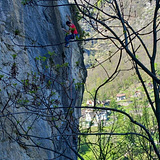
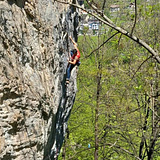
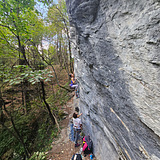
Bella falesia divisa in due settori con stile di arrampicata opposto tra loro: il settore basso infatti offre vie maggiormente lunghe e generalmente di resistenza, mentre al settore alto predomina uno stile tendenzialmente boulderoso e discontinuo.
In entrambi i casi le vie sono di elevata qualità, con una buona varietà di prese e movimenti, per un'arrampicata mai scontata o banale.
La roccia è estremamente particolare e atipica per la val d'Ossola, ricordando quasi il calcare a prima vista: una stranezza della zona che contribuisce a far sì che il posto meriti una visita anche solo per questa curiosità geologica.
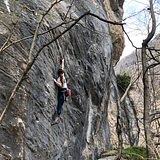
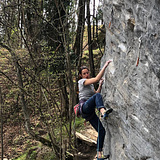
L'arrampicata è sempre impegnativa e mai facile, molto di dita e avambraccio, su piccole tacche, prese piatte o svasate e qualche raro buco.
Menzione d'onore al tiro "Le brigate della morte", primo ad essere chiodato e probabilmente una delle vie di resistenza più belle dell' intera valle, con una chiodatura obbligata che contribuisce a dargli carattere: un must-do per chiunque possa permetterselo.
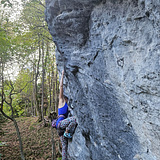
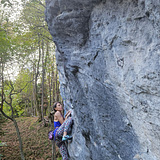
Estremamente estetico è anche lo strapiombo di "Casseur": un pan-Gullich naturale su tacche, svase e buchi che, a vedersi, ricorda un po' certi tiri corti di Finale Ligure.
Periodo migliore per scalarci sono le mezze stagioni, anche se, volendo, in inverno nelle giornate non troppo fredde è comunque possibile sfruttare le ore di sole mattutine per scalare al settore alto, mentre in estate, al contrario, si può sfruttare l'ombra pomeridiana per arrampicare al settore basso.
In caso di temporali o piogge non prolungate il settore basso non si bagna, mentre quello alto, comunque, asciuga velocemente.
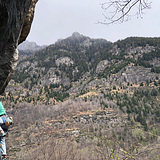
Il posto è assolutamente da visitare per chi è alla ricerca di belle, particolari e uniche, vie di settimo e ottavo grado, in un contesto molto tranquillo e lontano dalla moda e dalle masse che generalmente affollano la più gettonata e gremita falesia di Croveo classica.
GB
Beautiful crag divided into two sectors with opposing climbing styles: the lower sector offers longer routes that are generally endurance-based, while the upper sector is characterized by a more bouldery and discontinuous style.
Both sectors offer top-notch routes with a great mix of holds and movements, ensuring that every climb is engaging and nevere routine.
This rock face is a real anomaly in the Ossola valley, with a texture that's surprisingly similar, at first glance, to limestone: a peculiarity of the area that makes the place worth visiting just for this geological curiosity.
The climbing is always challenging and never easy, relying heavily on fingers strenght and forearms endurance, with small crimps, flat and sloper holds, and a few rare pockets.
Special mention goes to the route "Le brigate della morte", the first bolted and probably one of the most beautiful endurance pitches in the entire valley, with a distinctive run out bolting that adds to its character: a must-do for anyone who can tackle it.
The overhang of "Casseur" is also extremely aesthetic: a natural Pan Gullich on crimps, slopers and pockets that, visually, recalls some of the short routes at Finale Ligure.
The best time to climb here is during the shoulder seasons, although it's possible to climb in winter on less cold days, taking advantage of the morning sun in the upper sector; in summer, conversely, the afternoon shade makes the lower sector suitable for climbing.
In case of thunderstorms or short rain showers, the lower sector remains dry, while the upper sector dries quickly anyway.
The place is a must-visit for those seeking beautiful, unique and challenging 7th and 8th grade routes in a peaceful and secluded setting, far from the fashion and the crowds that generally surround the more popular Croveo Classica crag.