❗ NOT ALL THE LINES ARE REBOLTED, SO CHECK TWICE ALL OF THEM BEFORE CLIMBING❗
☀️SUN DURING THE DAY:
• In the morning
🧭 EXPOSURE:
• East
🧱ROCK TYPE:
• The rock here is Limestone.
📆 BEST PERIOD:
• The Best period is all year around
👪 FAMILY FRIENDLY:
• YES
📱PHONE SIGNAL:
• YES
🇬🇧
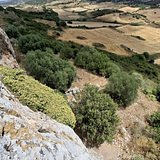
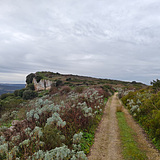
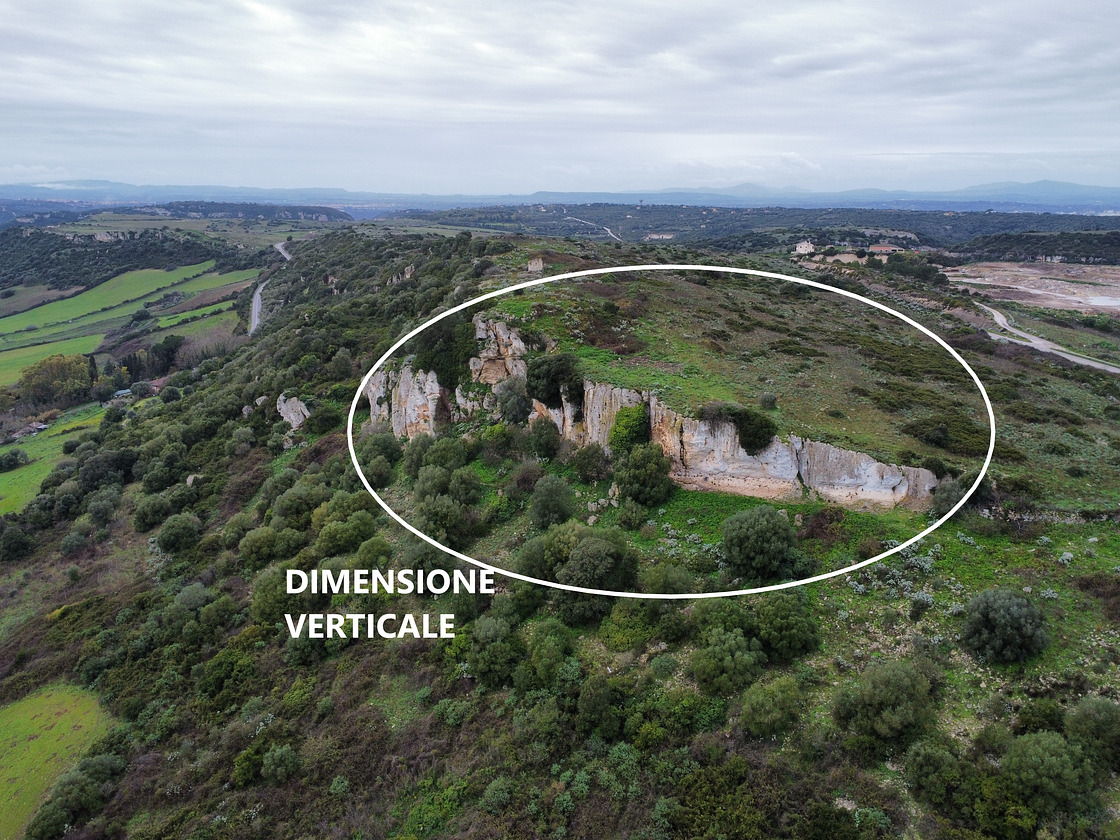
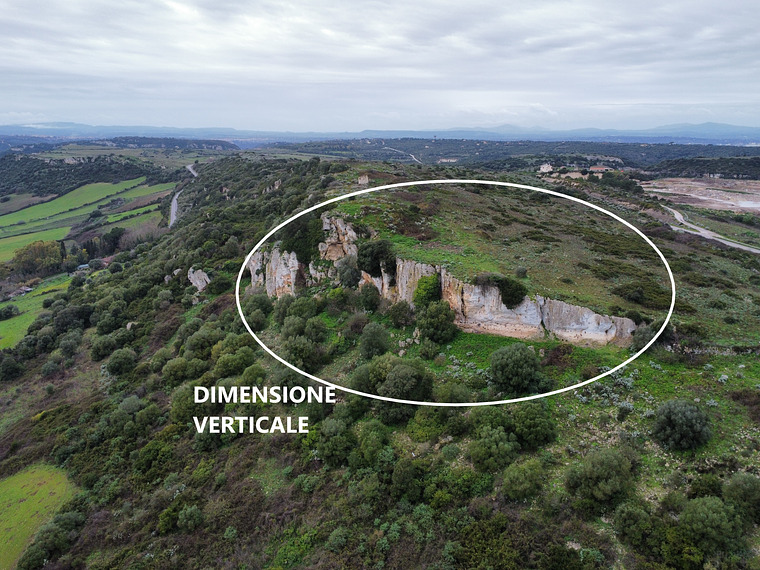
⛰️Dimensione Verticale is one of the oldest crags in the area. In its early days it was climbed exclusively on top rope, before being fully equipped for sport climbing. Over time it has become a small but significant piece of the local climbing history.
The routes on the right-hand side are generally more demanding, while the left-hand side offers slightly more accessible lines. Overall, the climbing is engaging and varied, even if many of the routes are on the shorter side. Despite their length, they pack a punch and provide a good change of style within the zone.
The crag receives sun only in the morning, making it a solid option for most of the year, especially outside the peak summer heat. The ideal season is essentially year-round, with the best conditions found in cooler months or during breezy mornings.
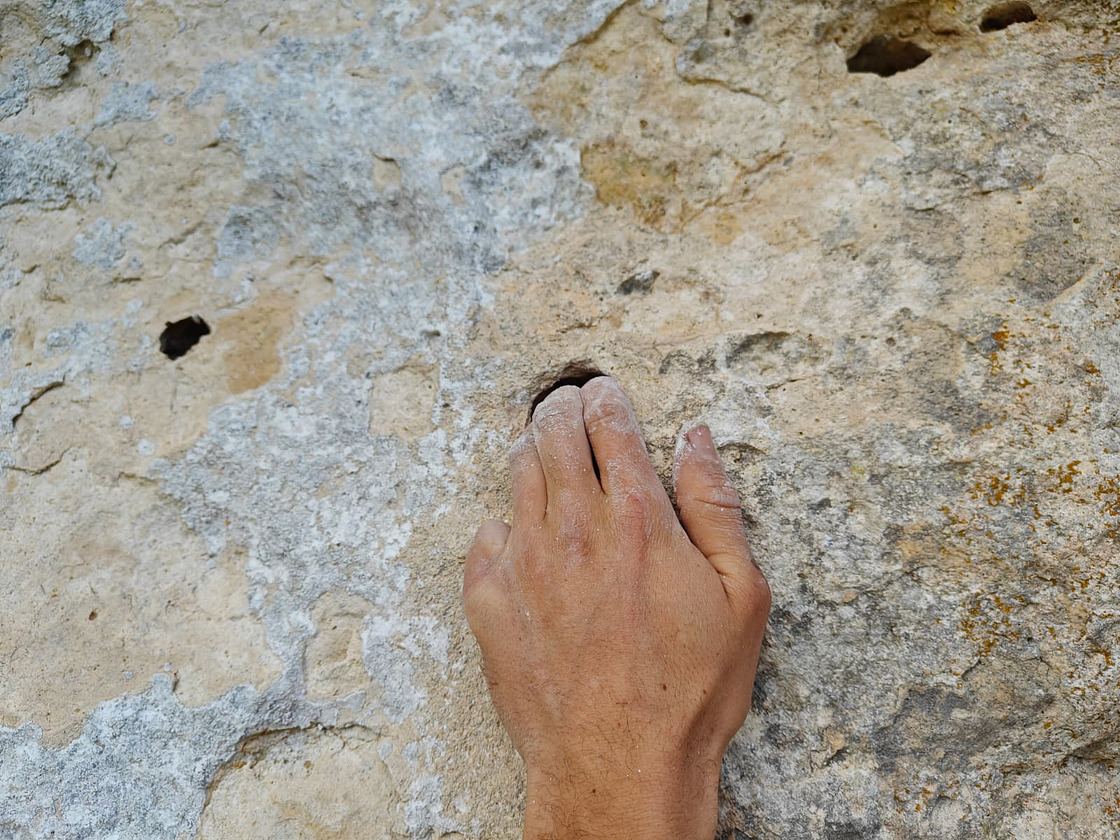
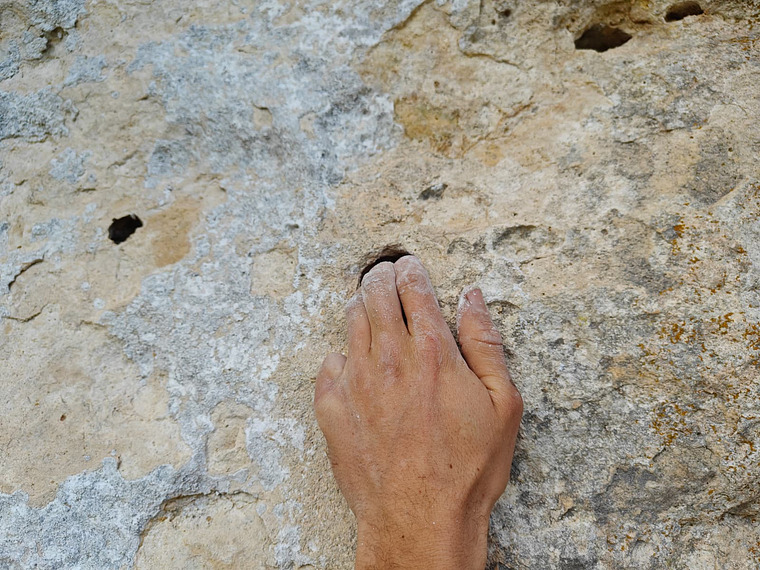
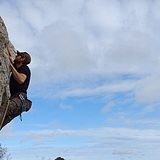
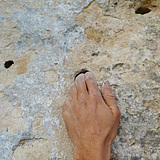
Climbing here is powerful and physical, on compact vertical walls sculpted with sharp, well-defined pockets. The white limestone is clean and featured, but the holds can be quite incisive—finger care is recommended, particularly on high-intensity attempts.
🇮🇹
⛰️Dimensione Verticale è una delle falesie più storiche della zona. In origine veniva scalata esclusivamente in top-rope, prima di essere attrezzata in modo definitivo per l’arrampicata sportiva. Nel tempo è diventata un piccolo ma significativo tassello della storia arrampicatoria locale.
Le vie sulla destra risultano generalmente più impegnative, mentre sulla sinistra si trovano linee leggermente più abbordabili. Nel complesso l’arrampicata è interessante e varia, anche se i tiri non sono particolarmente lunghi. Nonostante questo, l’intensità non manca e rappresenta una valida alternativa per diversificare lo stile rispetto ad altri settori della zona.
La parete prende sole solamente al mattino, caratteristica che la rende frequentabile praticamente tutto l’anno, evitando le ore più calde nei mesi estivi. Le condizioni migliori si trovano nelle mezze stagioni e nei periodi più freschi.
L’arrampicata è fisica e decisa, su muri verticali lavorati a buchi. Il calcare bianco è compatto, con prese nette e spesso taglienti: attenzione alla pelle e alle dita, soprattutto nei tentativi a vista o lavorando i passaggi più intensi.