IT
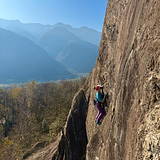
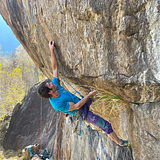
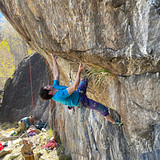
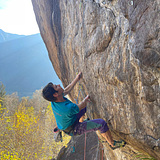
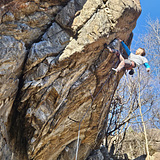
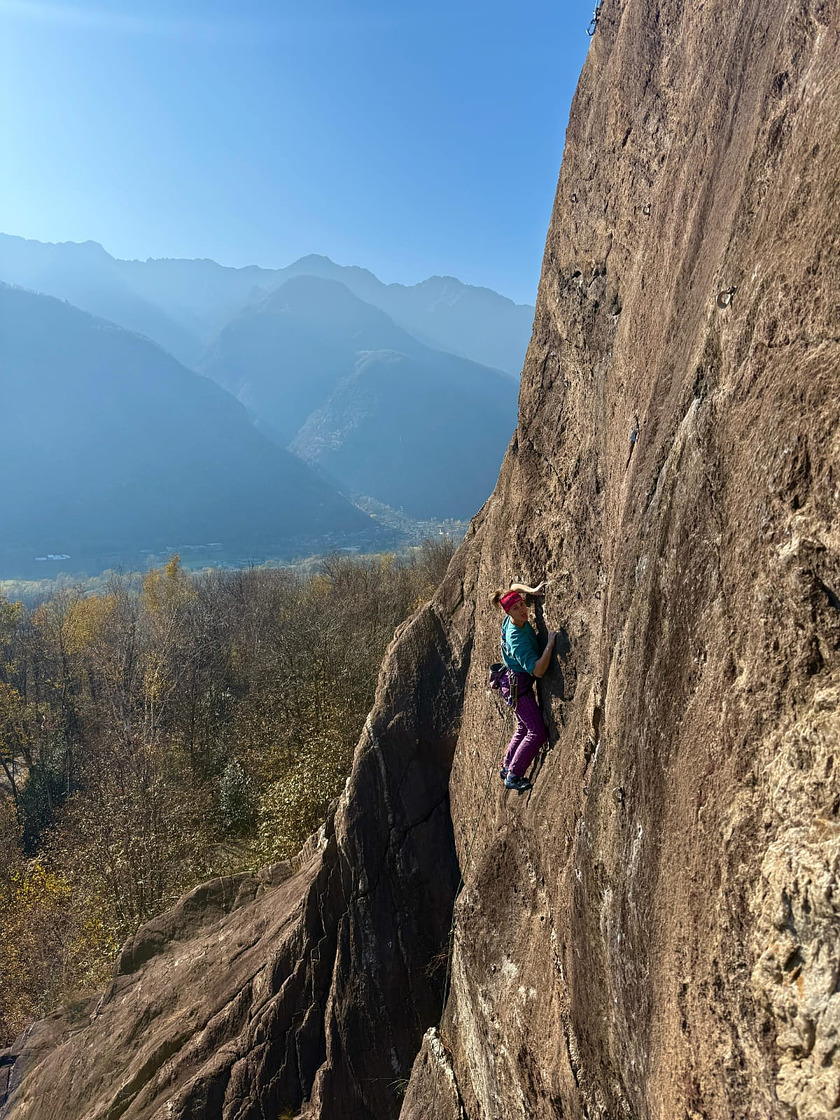
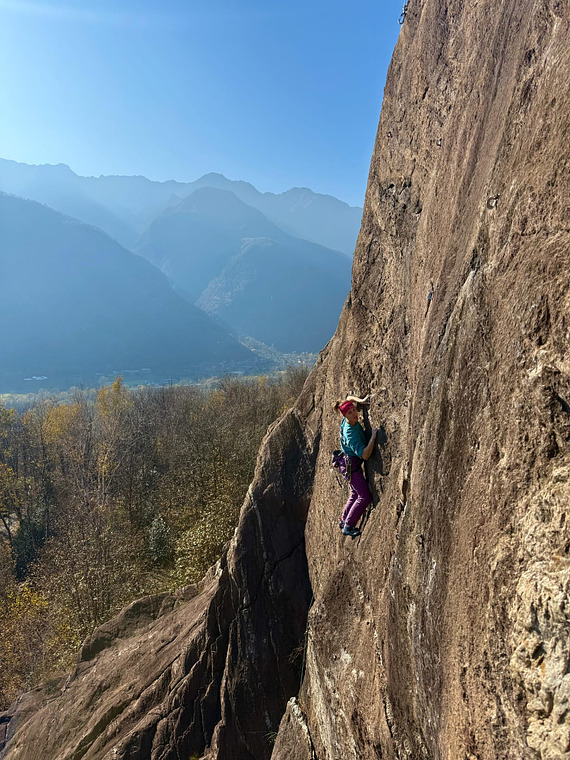
Svariati settori di dimensioni variabili disseminati nel tranquillo bosco di castagni sovrastante l'abitato di Cuzzago.
Il posto è adatto un po' a quasi tutti (anche a bambini e principianti) offrendo tiri di difficoltà dal terzo grado all'8a.
L'esposizione variabile dei vari massi permette la frequentazione tutto l'anno; la roccia asciuga molto velocemente.
I tiri sono generalmente corti, o comunque boulderosi con brevi sezioni dure.
PRIMO MASSO:
Il primo settore che si incontra direttamente a bordo strada; 2 minuti a piedi, molto comodo anche per brevi sessioni serali quando si ha poco tempo; tiri corti e discontinui su solida roccia.
SECONDO MASSO:
Affacciato anch'esso sulla strada asfaltata, sulla sinistra, una quarantina di metri dopo il "primo masso".
Ripida placca compatta con arrampicata di non facile interpretazione, richiede discreta tecnica.
Base sempre comoda e esposizione pressochè opposta a quella del "primo masso".
MASSO DEI TEMPI:
Per accedervi proseguire sulla strada, ora pianeggiante, oltre il "secondo masso". Dopo la successiva breve salita, al tornante, prendere una traccia quasi pianeggiante sulla sinistra che si inoltra nel bosco. Oltrepassato un rigagnolo e procedendo sulla traccia, poco dopo, si vede spuntare il retro del "masso dei tempi", con la via "Grattaculo" sulla sinistra. Scavalcare e aggirare il masso sulla destra, scendendo per un breve stretto passaggio per accedere alla piccola base.
Pochi tiri, corti e violenti sulle dita, con tacche scavate. Consigliato portarsi cesoie da giardinaggio qualora vi fossero rovi alla base.
MASSO DI GIBBLES:
Come per il "masso dei tempi" ma, oltrepassato il rigagnolo, imboccare la traccia che scende sulla sinistra e costeggia alcuni risalti rocciosi. In un paio di minuti, scendendo una corda fissa finale, si giunge a "Gibbles". Vi si può anche accedere, più comodamente, dal basso, seguendo l'accesso per il settore "Tintorera" (che fondamentalmente è posto appena sotto a "Gibbles"). Consigliato portarsi cesoie da giardinaggio per eventuali rovi lungo l'avvicinamento.
Anche se a vedersi non sembra, vi sono alcuni tiri molto belli.
Possibilità di scalare tutto l'anno, in inverno al pomeriggio, in estate al mattino.
SETTORE TINTORERA:
Dal parcheggio nello spiazzo dell'ex discoteca Nabila, imboccare la pianeggiante strada sterrata adiacente e, appena prima di un'area recintata, girare a destra oltrepassando una passerella metallica. Salire nel bosco puntando leggermente a destra per giungere, in brevissimo, al visibile settore. Appena sopra di esso è posto il "masso di Gibbles".
3 brevi tiri su muro, ma molto veloci e facili da raggiungere; come per "Gibbles" possibilità di scalare tutto l'anno.
MASSO SUPERIORE:
Proseguendo sulla strada asfaltata si giunge, direttamente, in circa 15 minuti al "masso superiore": il settore più grande di Cuzzago e con più varietà di tiri e gradi; si va infatti dalle facili placche appoggiate a grosse prese adatte a bambini e principianti, ai tiri di settimo grado e fino all'8a.
La base è comoda; periodo ideale per scalarci sono le mezze stagioni e le belle giornate invernali, sopratutto sul lato sinistro che rimane parecchio esposto al sole. A differenza degli altri settori, il "masso superiore" offre anche vie atletiche e strapiombanti.
Ufficialmente, alle vie del lato destro sarebbe interdetto l'accesso a causa di un'ordinanza, ma nella realtà ci si scala senza problemi.
SESTO MASSO (FOGLIARECCIO):
Per l'accesso più veloce, dal parcheggio, invece che seguire la strada asfaltata per gli altri settori, salire a destra costeggiando il muro in pietra. Continuare (senza prendere un ponticello sulla sinistra) fino a imboccare un varco nel muraglione e seguire il sentiero che sale nel bosco, passando poi davanti a una cappella e successivamente presso un rudere distrutto dove piega a sinistra. Dopo il rudere, in breve si raggiungono due baite private e, a monte di esse, ci si re-immette sulla strada asfaltata. Seguirla brevemente verso destra e, nei pressi di un grosso tubo di plastica nera, imboccare una traccia di sentiero segnata da qualche ometto che, salendo un po' in obliquo nel bosco, in breve porta al settore.
Vi si può anche arrivare continuando, dal "masso superiore", a seguire la strada asfaltata: così facendo si giunge e supera l'alpe Fogliareccio, si prosegue sulla strada pianeggiante verso destra che oltrepassa l'area per l'atterraggio degli elicotteri e si raggiunge il tubo nero di riferimento da cui si sale come descritto sopra.
Settore non grande, ma che presente belle vie tecniche e di dita su roccia di qualità, ottimo per l'inverno e le mezze stagioni.
GB
Various sectors of varying sizes scattered in the peaceful chestnut forest overlooking Cuzzago.
The place suits almost everyone (including kids and beginners), offering routes from 3rd grade to 8a.
The varied exposure of the rocks allows visits all year round; the rock dries very quickly.
Routes are generally short, or boulder-like with brief tough sections.
PRIMO MASSO:
The first sector you encounter right by the road; 2 minutes on foot, very convenient even for short evening sessions when you have little time; short and discontinuous routes on solid rock.
SECONDO MASSO:
Also facing the asphalt road, on the left, about 40 meters after "primo masso".
Steep compact slab with a climb that's not easy to interpret, requires decent technique.
Base always comfortable and exposure almost opposite to that of the "primo masso".
MASSO DEI TEMPI:
To access it continue on the now flat road, beyond the "secondo masso". After the next short uphill, at the bend, take a nearly flat path on the left that leads into the woods. Crossing a rivulet and proceeding on the trail, soon you'll see the back of "masso dei tempi", with the "Grattaculo" route on the left. Climb over and around the rock on the right, descending through a brief narrow passage to access the small base.
Few routes, short and intense on the fingers, with chipped crimps. Recommended to bring gardening shears if there are brambles at the base.
MASSO DI GIBBLES:
Same as for the "masso dei tempi" but, after crossing the rivulet, take the trail that descends on the left and skirts some rocky outcrops. In a couple of minutes, descending a final fixed rope, you'll reach "Gibbles". You can also access it more comfortably from below, following the access to the "Tintorera" sector (which is basically right below "Gibbles"). Recommended to bring gardening shears for any brambles along the approach.
Even if it doesn't look like it, there are some very nice routes.
Possibility to climb all year round, in winter in the afternoon, in summer in the morning.
SETTORE TINTORERA:
From the parking lot at the former Nabila disco club, take the flat dirt road next to it and, just before a fenced area, turn right crossing a metal footbridge. Climb into the woods aiming slightly right to reach the visible sector in no time. The "masso di Gibbles" sector is right above it.
3 short routes on a wall, but very quick and easy to access; like "Gibbles", possibility to climb all year round.
MASSO SUPERIORE:
Continuing on the asphalt road, you'll reach "masso superiore" in about 15 minutes: the largest sector of Cuzzago with the most varied routes and grades; from easy slab pitches with big holds suitable for kids and beginners, to 7th grade routes and up to 8a.
The base is comfortable; ideal time to climb there is during the shoulder season and nice winter days, especially on the left side which gets plenty of sun. Unlike other sectors, "masso superiore" also offers athletic and overhanging routes.
Officially, access to the right side routes is supposedly prohibited due to an ordinance, but in reality people climb there without issues.
SESTO MASSO (FOGLIARECCIO):
For the fastest access, from the parking lot, instead of following the asphalt road for the other sectors, climb right along the stone wall. Continue (without taking a small bridge on the left) until you find a gap in the wall and follow the path that climbs into the woods, passing in front of a chapel and then near a ruined building where it turns left. After the ruin, you'll soon reach two private chalets and, above them, you'll rejoin the asphalt road. Follow it briefly to the right and, near a large black plastic pipe, take a trail marked by some cairns that climbs diagonally through the woods, quickly leading to the sector.
You can also get there by continuing from the "masso superiore" sector along the asphalt road: you'll reach and pass Alpe Fogliareccio, continue on the flat road to the right, passing the helicopter landing area, and reach the black pipe reference point from which you go as described above.
Not a huge sector, but with nice technical and fingery routes on quality rock, great for winter and shoulder season.