☀️SUN DURING THE DAY:
• All day long
🧭 EXPOSURE:
•All the exposure due to the formation of the boulders
🧱ROCK TYPE:
•The rock here is Gneiss Occhiadino
📆 BEST PERIOD:
•Winter, and Middle seasons
👪 FAMILY FRIENDLY:
• YES
📱PHONE SIGNAL:
• YES
🇬🇧
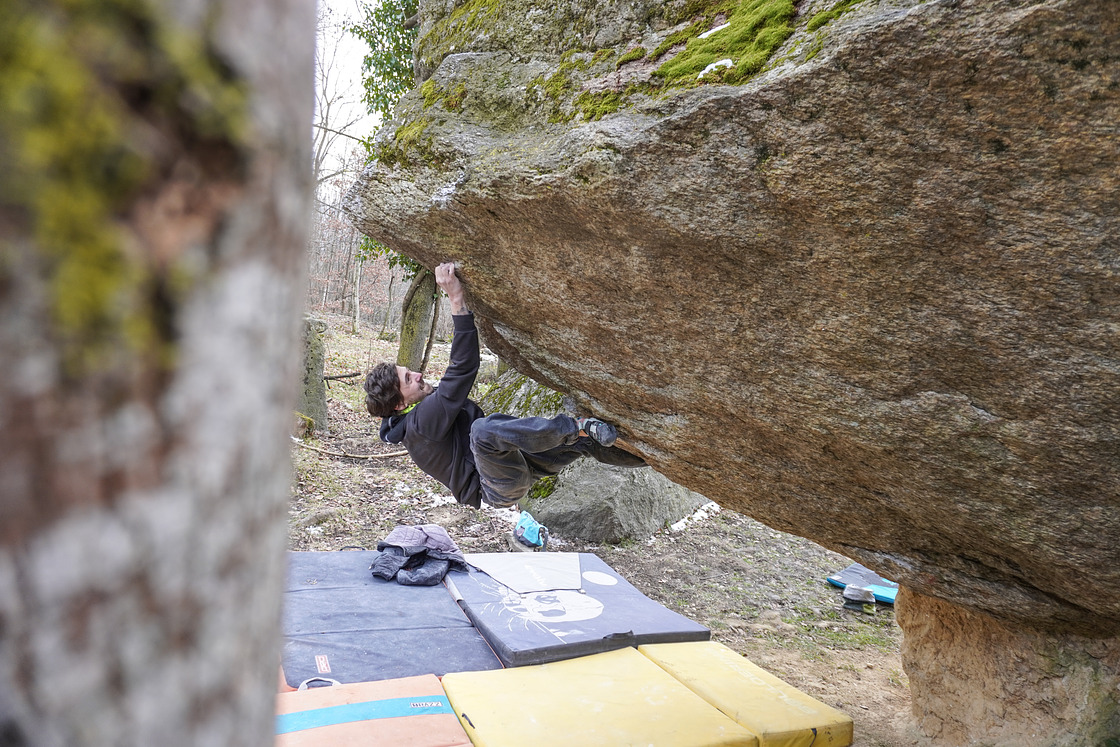
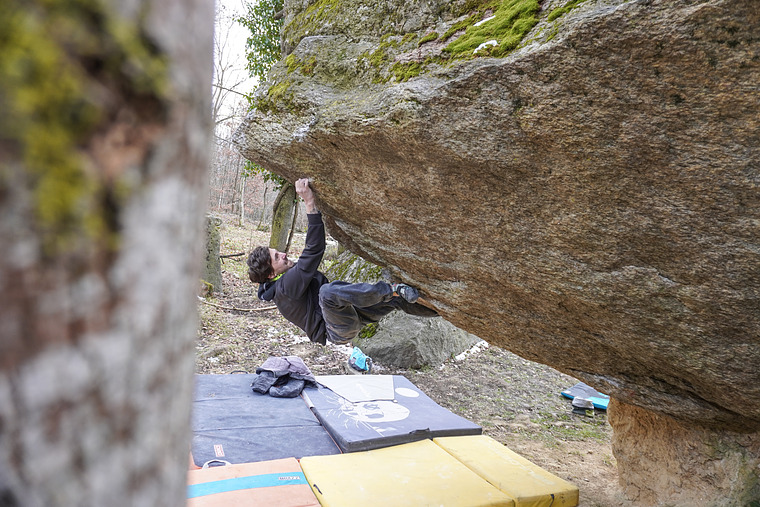
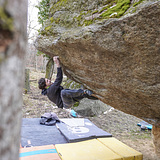
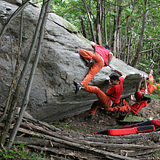
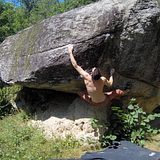
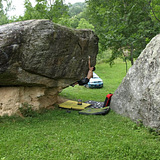
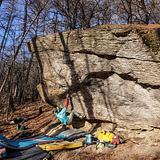
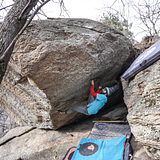
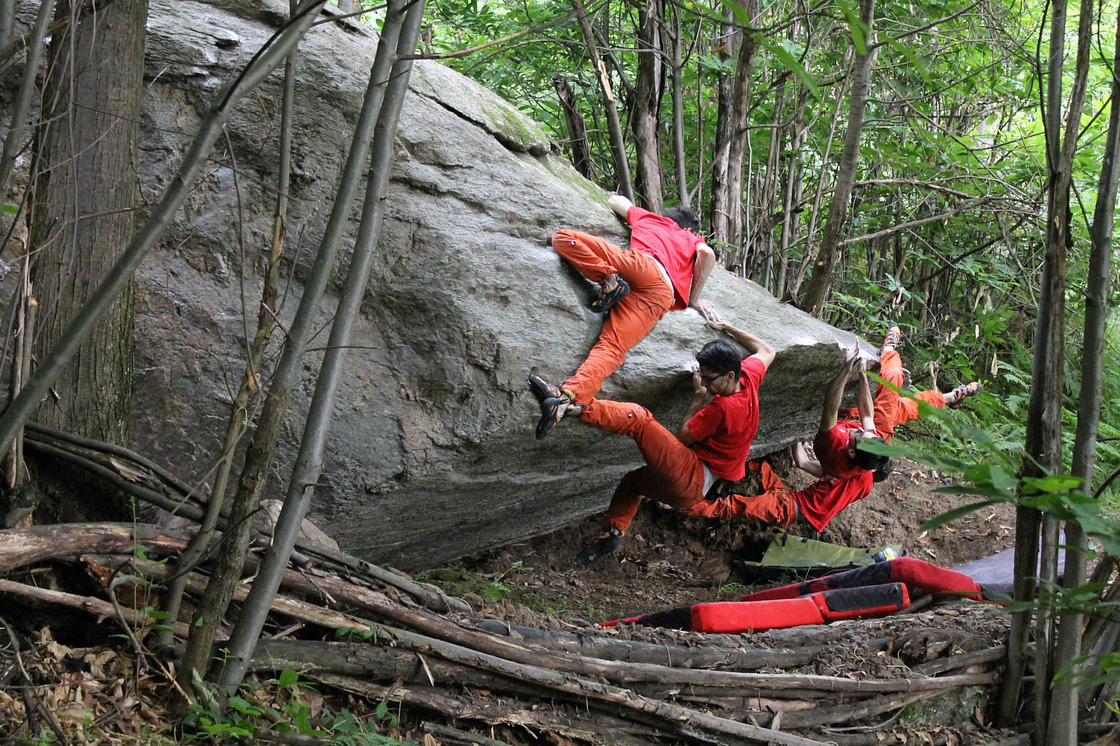
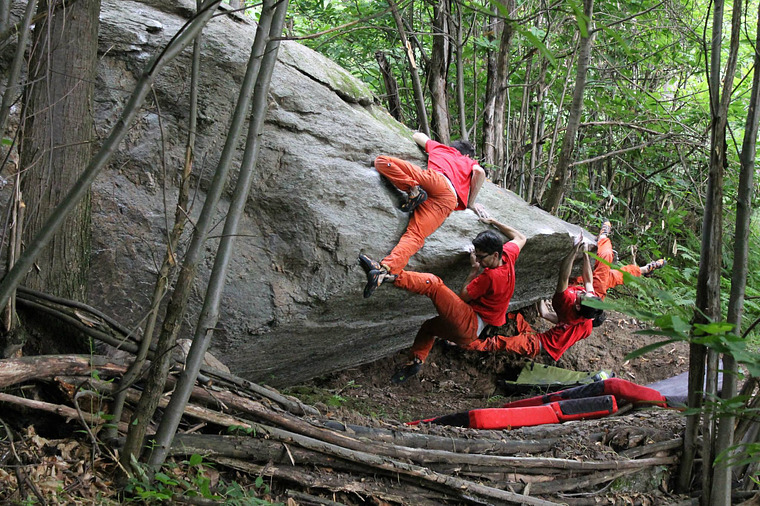
⛰️The Ciciu del Villar bouldering area is situated at an altitude of approximately 800 meters, just a short distance from Cuneo and near the municipality of Villar San Costanzo, close to Dronero. The site consists of scattered boulders spread over a fairly wide terrain, offering around a hundred distinct moves. The difficulty range is quite broad, starting from very accessible grades around 3 and reaching challenging problems graded up to 8a, including a demanding 8b+ traverse that poses a real test for advanced boulderers.
Thanks to its altitude and the variable exposure of the blocks, the area can be climbed throughout the year. During summer, evening sessions are particularly enjoyable as temperatures cool down, creating a more comfortable climbing environment. This seasonal versatility makes the site a favorite destination for both locals and visitors from further afield.
Logistically, the area is very convenient to reach: from Cuneo, follow the road towards Villar San Costanzo and, once near Dronero, follow signs for “Ciciu del Villar.” At the last junction, turn left onto Via Cervetto, which leads directly to the boulders. Easy car access means that climbers don’t have to endure long approaches to enjoy their climbs.
The site offers several advantages. The boulders are naturally scattered and generally provide excellent landings, an essential factor for safety and enjoyment in bouldering. Moreover, the area is very promising for creating new problems and link-ups, as there are still some boulders undergoing cleaning and development, providing opportunities for future expansion and for climbers interested in exploring and developing new lines.
The rock is presumably gneiss, known for its compactness and abrasive texture that provides excellent grip. This type of rock is highly valued among climbers for the confident feel it gives and for the variety of natural holds it offers.
Despite its many strengths, the area has some drawbacks. Summer temperatures can rise significantly, making climbing more strenuous and requiring attention to timing and weather conditions. Also, while the rock is of high quality, it can be quite “harsh” on the hands, especially during long sessions or on more aggressive holds.
In summary, Ciciu del Villar represents an excellent destination for bouldering enthusiasts seeking an accessible area with a wide range of difficulties set in a beautiful natural environment. The possibility of climbing year-round and exploring new problems makes this site a continuous opportunity for those who love challenge and discovery.
🇮🇹
⛰️La zona boulder dei Ciciu del Villar si trova a un’altitudine di circa 800 metri, poco distante da Cuneo e vicino al comune di Villar San Costanzo, nei pressi di Dronero. Si tratta di un’area caratterizzata da massi sparsi, distribuiti su un territorio piuttosto ampio, con un numero complessivo di passi che si aggira intorno al centinaio. La difficoltà delle linee copre un ampio spettro, partendo da gradi molto accessibili, intorno al 3, fino ad arrivare a linee impegnative di 8a, con anche un traverso valutato 8b+ che rappresenta una sfida per i boulderisti più esperti.
Grazie alla sua altitudine e all’esposizione variabile dei blocchi, la zona può essere frequentata praticamente tutto l’anno. Durante l’estate è particolarmente piacevole arrampicare nelle ore serali, quando le temperature si abbassano e l’ambiente diventa più fresco. Questa versatilità stagionale rende il settore una meta apprezzata sia dagli abitanti locali che dagli appassionati provenienti da altre zone.
Dal punto di vista logistico, l’area è molto comoda da raggiungere: da Cuneo si segue la strada per Villar San Costanzo e, una volta arrivati vicino a Dronero, si prosegue seguendo le indicazioni per i “Ciciu del Villar”. All’ultimo bivio si svolta a sinistra per Via Cervetto, che conduce direttamente nei pressi dei massi. L’accessibilità con l’auto è facilitata, permettendo anche a chi non vuole fare lunghi avvicinamenti di godersi la scalata senza troppo sforzo.
La natura stessa del sito presenta vari vantaggi. I blocchi sono sparsi in modo naturale e offrono cadute quasi sempre ottimali, un aspetto fondamentale per la sicurezza e il divertimento del boulderista. Inoltre, il luogo si presta molto bene per la creazione di nuove linee e concatenazioni, poiché vi sono ancora massi in fase di pulizia e valorizzazione, lasciando spazio a futuri sviluppi e a chi desidera mettere mano all’attrezzatura o sperimentare nuove soluzioni.
Per quanto riguarda la roccia, si tratta presumibilmente di gneiss, una pietra caratteristica per la sua compattezza e per la superficie abrasiva che garantisce un ottimo grip. Questo tipo di roccia è molto apprezzato dagli scalatori per la sensazione di sicurezza che trasmette e per la varietà di prese naturali che offre.
Nonostante i numerosi vantaggi, la zona presenta anche qualche limite. In estate, le temperature possono diventare elevate, rendendo l’arrampicata più faticosa e richiedendo una certa attenzione a orari e condizioni meteo. Inoltre, la roccia, pur essendo di ottima qualità, può risultare piuttosto “dolorosa” per le mani, specialmente durante sessioni prolungate o su prese più aggressive.
In sintesi, i Ciciu del Villar rappresentano una meta molto valida per gli appassionati di bouldering che cercano un’area accessibile, con una vasta gamma di difficoltà e un ambiente naturale suggestivo. La possibilità di arrampicare tutto l’anno e di esplorare nuove linee rende questo sito un’opportunità continua per chi ama la sfida e la scoperta.