☀️SUN DURING THE DAY:
From early morning in South-West sector, from late morning until sunset in the West sector
🧭 EXPOSURE:
West and South-West
🧱ROCK TYPE:
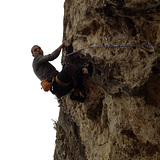
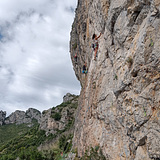
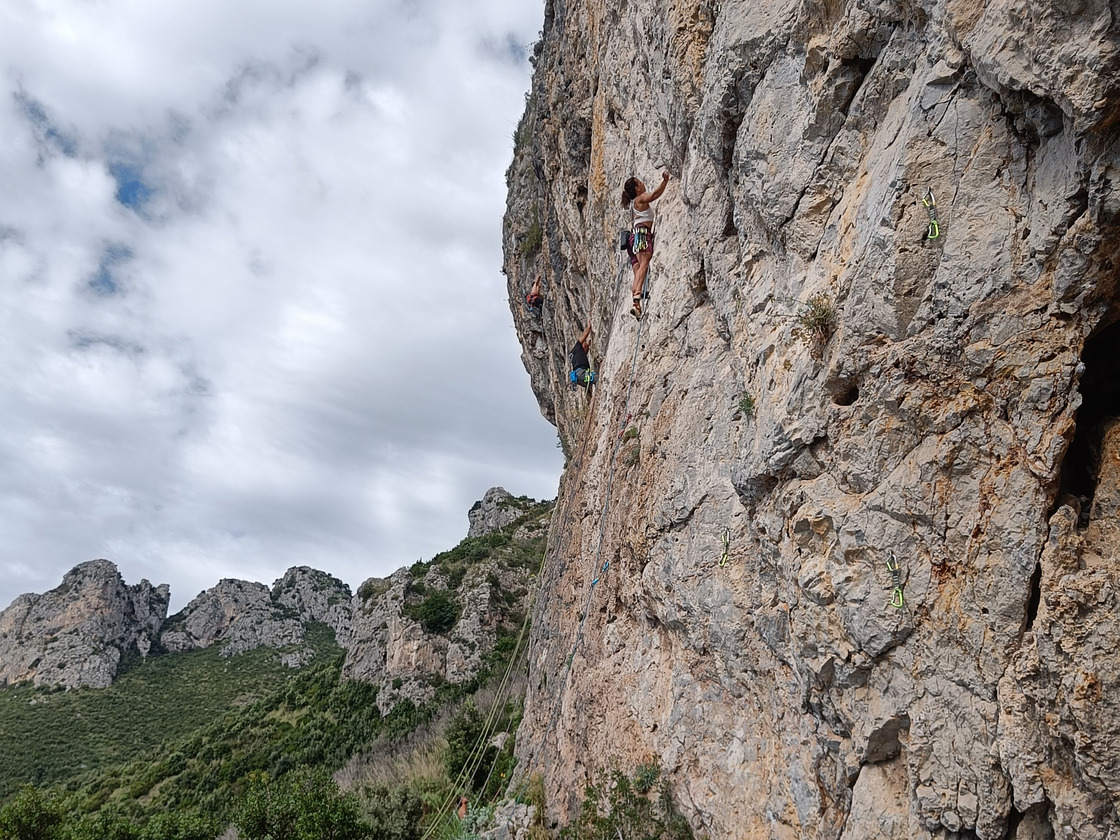
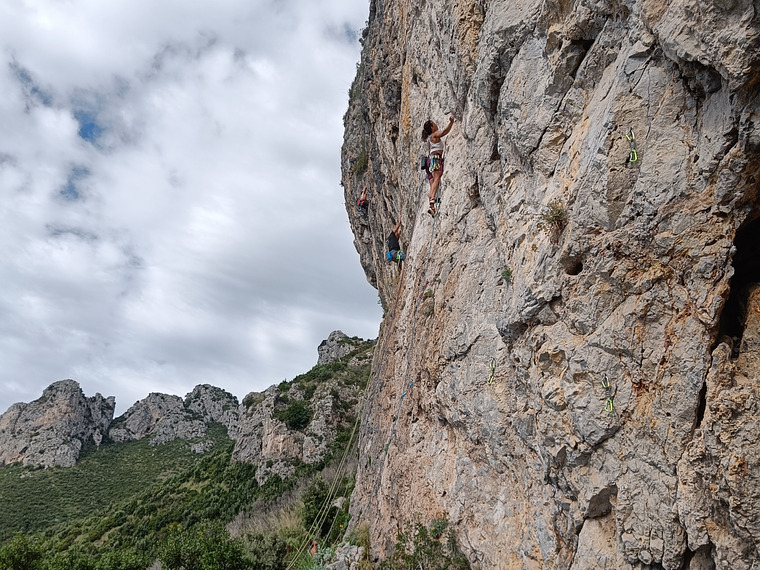
The rock is a very compact limestone, with tufas and big holes
📆 BEST PERIOD:
From late autumn to early spring, both for the temperature and for the traffic on the coast
👪 FAMILY FRIENDLY:
NO, the approach is on a steep and long path
📱PHONE SIGNAL:
YES ✅
🇬🇧
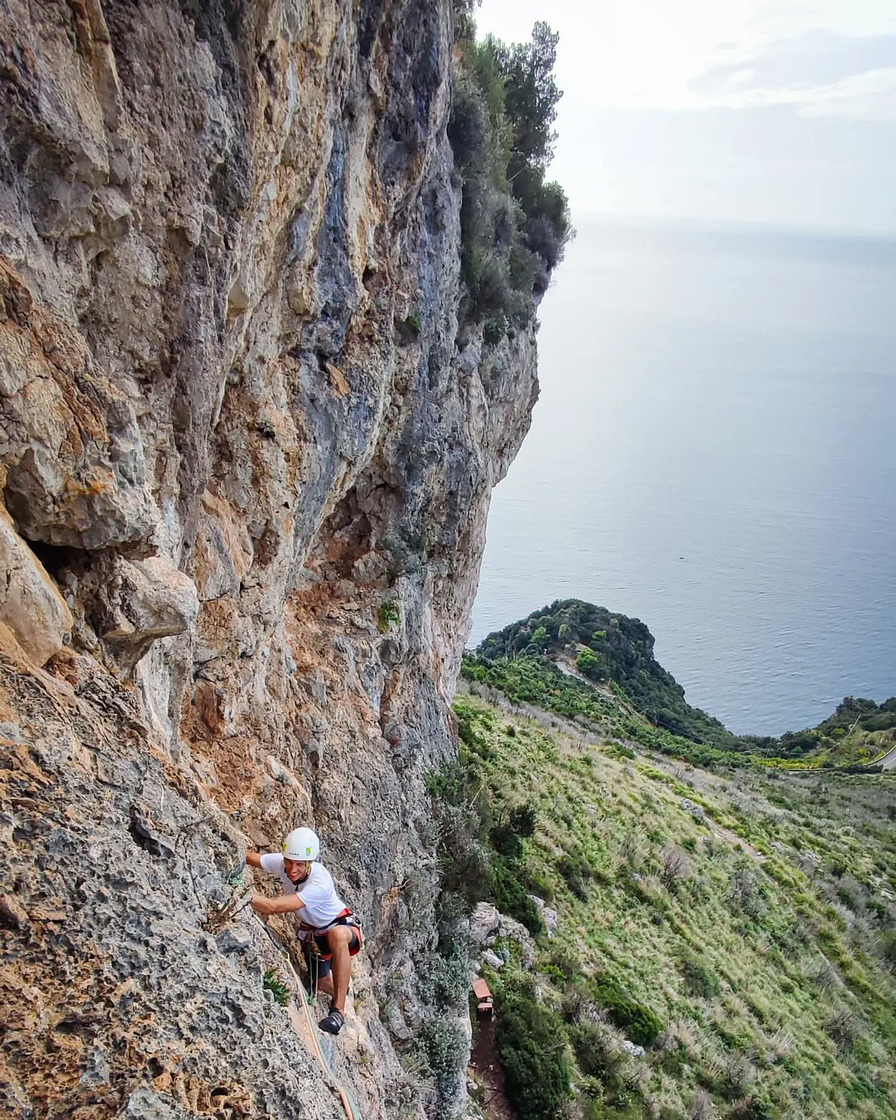
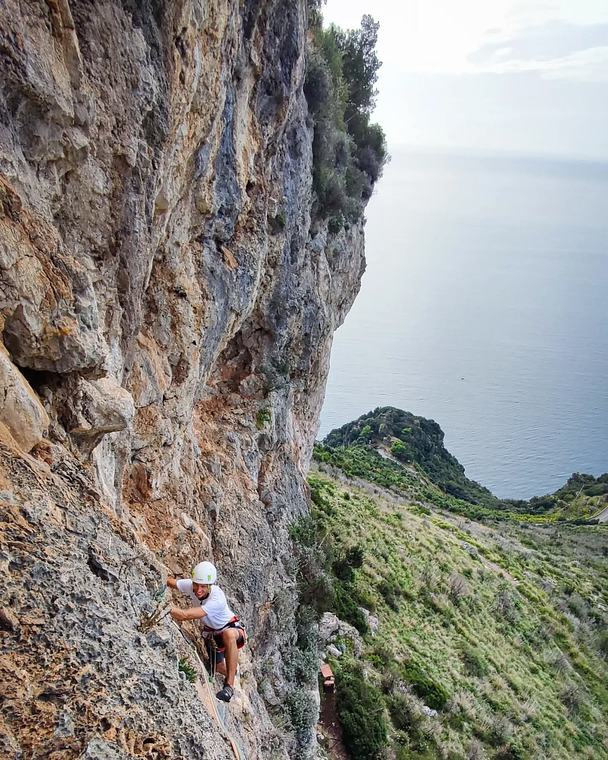
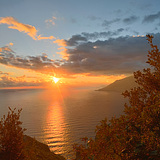
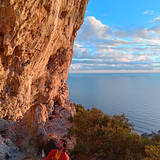
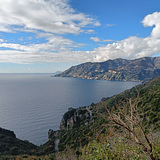
⛰️The Capo d'Orso crag, located along the Amalfi Coast, is one of the most popular sport climbing destinations in the region. The area is a site of natural interest, featuring typical Mediterranean scrub vegetation and habitats that host several notable species. With its southwest-facing exposure, it offers ideal climbing conditions in autumn and winter, with sun from the early morning and a breathtaking view of the sea and the island of Capri. The orientation also provides shelter from strong winds during cold winter days.
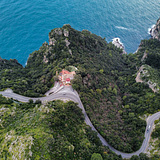
In the summer and on holidays, reaching the crag can be challenging due to heavy traffic on the single road that runs along the coast.
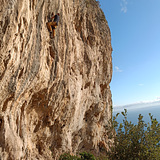
The rock is solid, compact limestone, offering a variety of holds including pockets, crimps, tufas and cracks.
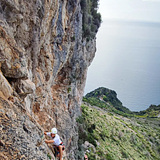
Routes range in grade from 4c to 8a+, with a predominance of climbs between 6b and 7a. Most routes are between 30 and 35 meters long. The climbs offer a mix of technical slabs, athletic moves, and dynamic sequences.
There are also a few short multi-pitch routes with spectacular scenery. Two of them traverse leftward along the main wall, while the others are located on the Torre del Capo, a wall positioned slightly higher up to the left.
🇮🇹
⛰️La falesia di Capo d'Orso, situata lungo la Costiera Amalfitana, è una delle destinazioni più apprezzate per l’arrampicata sportiva nella regione. L’area è un sito di interesse naturalistico, con una vegetazione tipica della macchia mediterranea e habitat che ospitano specie di rilievo. Caratterizzata da un’esposizione sud-ovest, offre condizioni ideali per l’arrampicata durante l’autunno e l’inverno, con sole fin dalle prime ore del mattino e una vista spettacolare sul mare e sull’isola di Capri. L’esposizione, inoltre, garantisce protezione dai forti venti durante le fredde giornate invernali.
Durante la stagione estiva e nei periodi festivi, può diventare difficile raggiungere la falesia a causa dell’intenso traffico presente sull’unica strada che percorre la costa.
La roccia è un calcare compatto e solido, con una varietà di prese tra cui buchi, tacche, canne e fessure.
I gradi delle vie variano dal 4c all’8a+, con una predominanza di tiri tra il 6b e il 7a. La maggior parte delle vie misura tra i 30 e i 35 metri di lunghezza. Le vie offrono un mix di placche tecniche, passaggi atletici e movimenti dinamici.
Sono presenti alcune vie a più tiri, brevi ma con un paesaggio spettacolare. Due di esse percorrono la grande parete principale, traversando verso sinistra, mentre le altre si trovano sulla Torre del Capo, una parete situata leggermente più in alto sulla sinistra.