☀️SUN DURING THE DAY:
• Always
💧WATER SOURCE:
• YES in the picnic area
🧭 EXPOSURE:
• South-East
🧱ROCK TYPE:
•The rock here is Gneiss.
📆 BEST PERIOD:
•The colder days and colder months are good and spring with autumn is perfect
👪 FAMILY FRIENDLY:
• YES: Only in Prima balza
📱PHONE SIGNAL:
• NO
🇬🇧
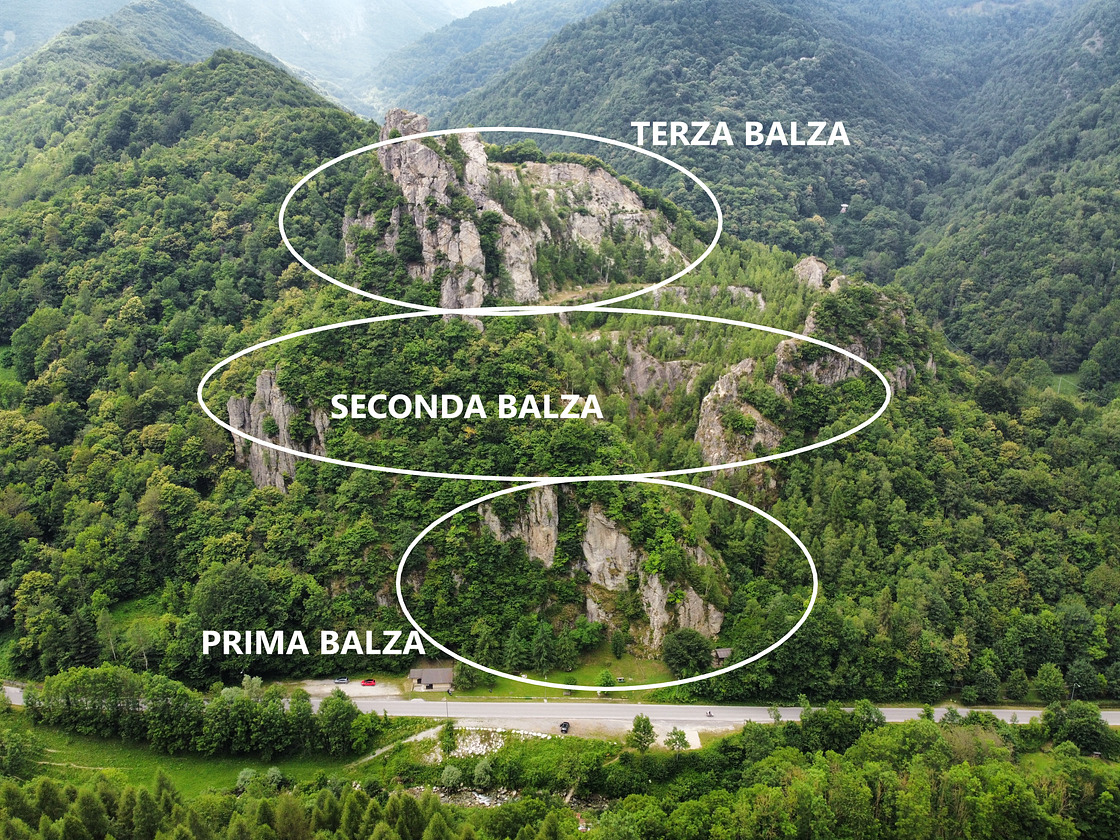
⛰️Bec Moller develops on three distinct tiers, each with peculiar characteristics, offering a complete experience for those who want to get closer to multi-pitch climbing. The rock is solid quartzite and generally of good quality, especially in the second tier, where grip and variety of holds make it particularly interesting.
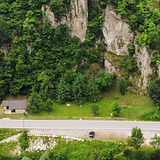
The first tier, the last to be equipped, is also suitable for children and beginners. Here you find well-bolted single-pitch routes with difficulties between 4 and 6b, with a beautiful green area at the base, perfect for spending a peaceful day.
The second tier is divided into two towers. The left tower offers challenging single-pitch sixth-grade routes, ideal for those seeking short but intense technical sections. The right tower hosts two-pitch routes about 50 meters long, with easier difficulties ranging from 4 to 6b. These are perfect for those who want to start getting familiar with multi-pitch maneuvers without yet facing the severe environment of high mountains.
The third tier is the highest and stretches up to the summit of the mountain. Here you find long routes of four pitches each, with over 100 meters of climbing. The environment is alpine climbing but with safe and modern bolting, allowing you to taste adventure without excessive risks. It is an excellent gym to test not only technique but also psychological aspects and prepare for more demanding alpine routes.
The climbing is extremely varied: vertical slabs with crimps, walls with pockets and large holds, dihedrals, edges, overhangs, and traverses alternate continuously, often without real rest points. Good endurance and movement reading skills are needed.
The south/southeast exposure makes Bec Moller ideal in the cold months, snow permitting, but even in summer climbing is good thanks to constant ventilation and shade arriving from early afternoon. It is a crag designed for progression, to learn, to get confident with verticality and the logic of long routes, in a relaxed but stimulating environment.
🇮🇹
⛰️Bec Moller si sviluppa su tre balze distinte, ognuna con caratteristiche peculiari, che offrono un’esperienza completa per chi desidera avvicinarsi all’arrampicata su più tiri. La roccia è una quarzite solida e generalmente di buona qualità, in particolare nella seconda balza, dove l’aderenza e la varietà di prese la rendono particolarmente interessante.
La prima balza, l’ultima ad essere stata attrezzata, è adatta anche ai più piccoli e a chi muove i primi passi in falesia. Qui si trovano monotiri ben chiodati, su difficoltà comprese tra il 4 e il 6b, con una bella area verde alla base perfetta per passare una giornata in tranquillità.
La seconda balza è suddivisa in due torrioni. Il torrione di sinistra propone monotiri di sesto grado impegnativi, ideali per chi cerca brevi ma intensi tratti tecnici. Il torrione di destra invece ospita vie da due tiri, con sviluppo di circa 50 metri, e difficoltà più accessibili che spaziano dal 4 al 6b. Sono perfette per chi vuole iniziare a familiarizzare con le manovre delle vie a più tiri senza affrontare ancora l’ambiente severo dell’alta montagna.
La terza balza è la più alta e si sviluppa fino alla vetta del monte. Qui si trovano vie lunghe, da quattro tiri ciascuna, per oltre 100 metri di sviluppo. L’ambiente è quello dell’arrampicata alpina, ma con una chiodatura sicura e moderna che permette di assaporare il gusto dell’avventura senza eccessivi rischi. Un’ottima palestra per testare non solo la tecnica, ma anche l’aspetto psicologico, e prepararsi così a itinerari più impegnativi in ambiente.
L’arrampicata è estremamente varia: placche verticali a tacche, muri con tasche e grosse prese, diedri, spigoli, strapiombi e traversi si alternano in modo continuo, spesso senza veri punti di riposo. Serve buona resistenza e capacità di lettura del movimento.
L’esposizione sud/sud-est rende Bec Moller ideale nei mesi freddi, neve permettendo, ma anche d’estate si arrampica bene grazie alla ventilazione costante e all’ombra che arriva già dal primo pomeriggio. È una falesia pensata per la progressione, per imparare, per prendere confidenza con la verticalità e con la logica delle vie lunghe, in un ambiente rilassante ma ricco di stimoli.